
Problem-Oriented Real-World Research in Psoriasis: From Clinical Dilemmas to Evidence Translation
Real-world evidence is bringing psoriasis care closer to precision medicine. Prof. Hong Liu explores how it can inform biologic treatment decisions, predict patient responses, and improve the management of systemic comorbidities.

Psoriasis is an immune-mediated chronic relapsing inflammatory skin disease. In addition to skin lesions such as plaques and scales, it is often accompanied by metabolic, cardiovascular, and other multisystem comorbidities, significantly affecting patients’ physical health, economic burden, and quality of life. Randomized controlled trials (RCTs) provide core evidence for the efficacy of psoriasis drugs, but strict inclusion and exclusion criteria make it difficult to fully replicate real-world clinical practice. Real-world research, grounded in actual clinical problems, can compensate for the limitations of RCTs and provide important evidence for treatment strategy selection, individualized management, and elucidation of comorbidity mechanisms.
This article is based on the presentation Problem-Oriented Real-World Research in Psoriasis by Professor Hong Liu from the Affiliated Dermatology Hospital of Shandong First Medical University at the Second Skin Health Development Conference. It summarizes the core findings across five areas: biologic switching strategies, relapse characteristics after discontinuation, identification of super-responders and refractory patients, extended dosing intervals for biologics, and genetic mechanisms of psoriasis comorbidities, aiming to provide reference for individualized clinical practice in moderate-to-severe psoriasis.
1 Exploration of Switching Strategies After Biologic Treatment Failure
With the widespread use of biologics targeting tumor necrosis factor-α (TNF-α), interleukin (IL)-17, and IL-23 pathways, the overall treatment level for moderate-to-severe psoriasis has improved markedly. However, some patients still experience primary non-response, secondary failure, or discontinuation due to adverse reactions. For patients after treatment failure, switching biologics is the main means to regain disease control; however, there has been a lack of unified consensus on the advantages and disadvantages of within-class versus cross-class switching.
Professor Hong Liu’s team searched PubMed and Web of Science and ultimately included 18 studies with 635 psoriasis patients who had failed biologic treatment, evaluating short- and long-term efficacy of within-class (same-class) switching and cross-class switching. The results showed that both switching strategies achieved disease improvement, but efficacy differed with follow-up duration:
At 12 weeks, the PASI 75 response rate was 67.7% in the within-class switching group, significantly higher than 38.1% in the cross-class switching group (P<0.001); at 16–52 weeks of follow-up, PASI 75 response rates were 77.0% and 82.0%, respectively, with no statistically significant difference between groups (P>0.05). Based on these findings, clinical drug selection may refer to: after TNF-α inhibitor failure, adalimumab is preferred for within-class switching; after IL-17 inhibitor failure, ixekizumab is preferred for within-class switching; after IL-23 inhibitor failure, risankizumab is preferred for within-class switching; for cross-class switching, guselkumab is preferred.
| Group | Treatment time | PASI 75 (%) | PASI 90 (%) | PASI 100 (%) |
|---|---|---|---|---|
| Within-class switching (475) | 12 weeks | 67.7 | 73.5 | 37.2 |
| 16–52 weeks | 77.0 | 68.9 | 47.9 | |
| Cross-class switching (160) | 12 weeks | 38.1 | 27.6 | 24.0 |
| 16–52 weeks | 82.0 | 57.4 | 50.3 | |
| Pooled analysis (635) | 12 weeks | 61.5 | 52.6 | 29.5 |
| 16–52 weeks | 78.8 | 64.6 | 48.1 |
Table 1 Summary of Efficacy of Within-Class and Cross-Class Switching of Biologics
In summary, after biologic failure, within-class switching is more advantageous in the short-term 12-week follow-up, while long-term follow-up shows comparable efficacy between within-class and cross-class switching. Clinical switching decisions should be made comprehensively based on prior medication, comorbidities, and patient preference.
2 Relapse After Discontinuation of Biologics and Conventional Systemic Drugs and Related Factors
Psoriasis is a chronic relapsing disease requiring long-term systemic management. Methotrexate (MTX) is a classic conventional systemic drug, and secukinumab is a representative IL-17 biologic. In clinical practice, some patients wish to discontinue treatment after achieving clinical remission due to economic pressure or safety concerns; however, real-world head-to-head evidence is lacking regarding relapse risk, time to relapse, and risk factors after discontinuation of different drugs.
The team included 2,209 patients with moderate-to-severe plaque psoriasis and followed those who discontinued after more than 12 weeks of standard treatment with MTX or secukinumab. Relapse was defined as loss of ≥50% of previous maximum PASI improvement. There were 401 patients in the MTX discontinuation group and 408 in the secukinumab discontinuation group. Results showed that the 52-week cumulative relapse rate was 80.5% in the MTX group, with a median time to relapse of 8 (2–36) weeks; the 52-week cumulative relapse rate was 76.2% in the secukinumab group, with a median time to relapse of 16 (2–104) weeks. The cumulative relapse rates were similar between the two groups, but the interval from discontinuation to relapse was significantly longer in the biologic group. After adjusting for confounders via logistic regression, smoking history, family history of psoriasis, staying up late, and infection were confirmed as independent risk factors for relapse after discontinuation.
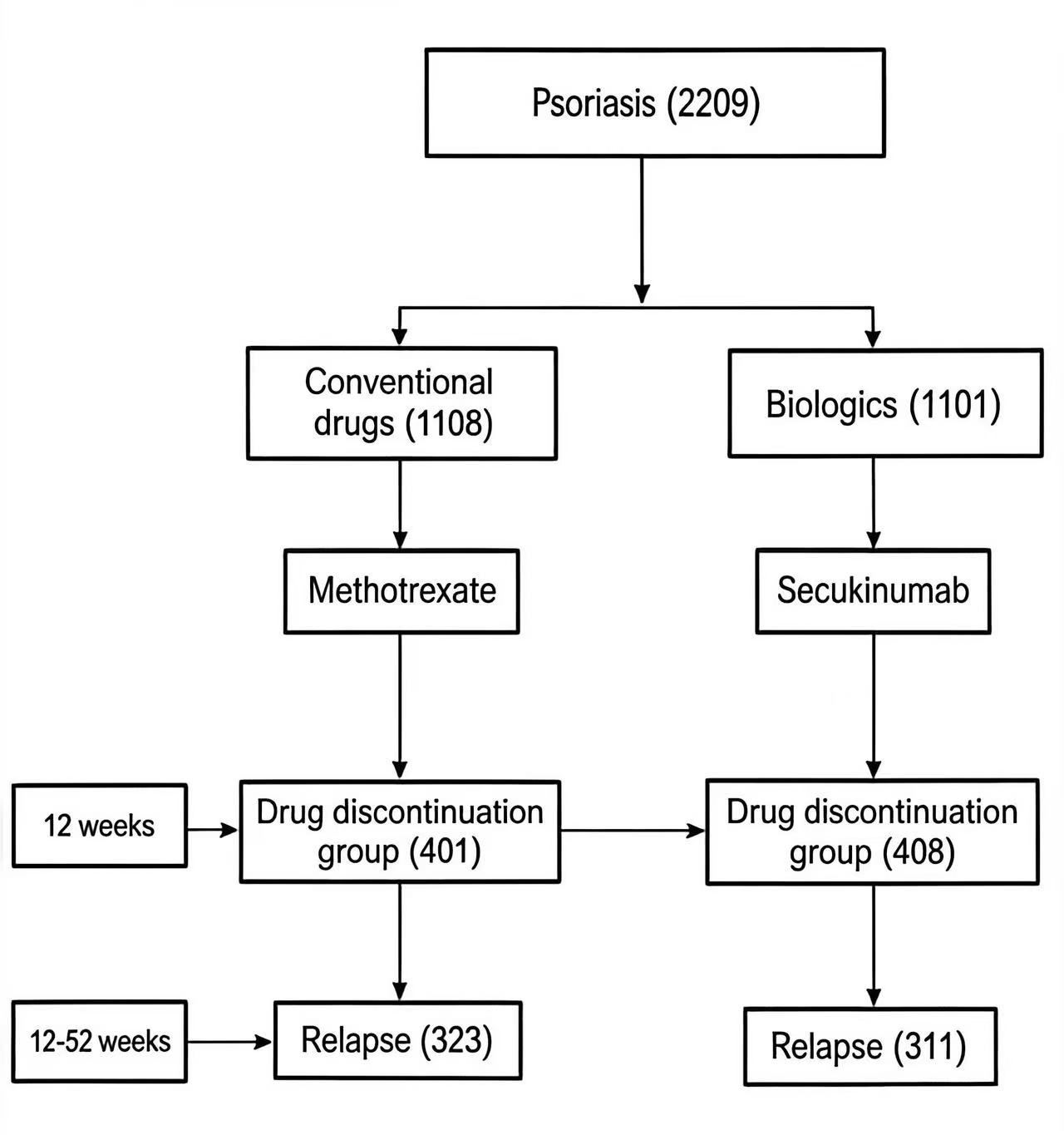
Figure 1 Flowchart of patient enrollment and follow-up
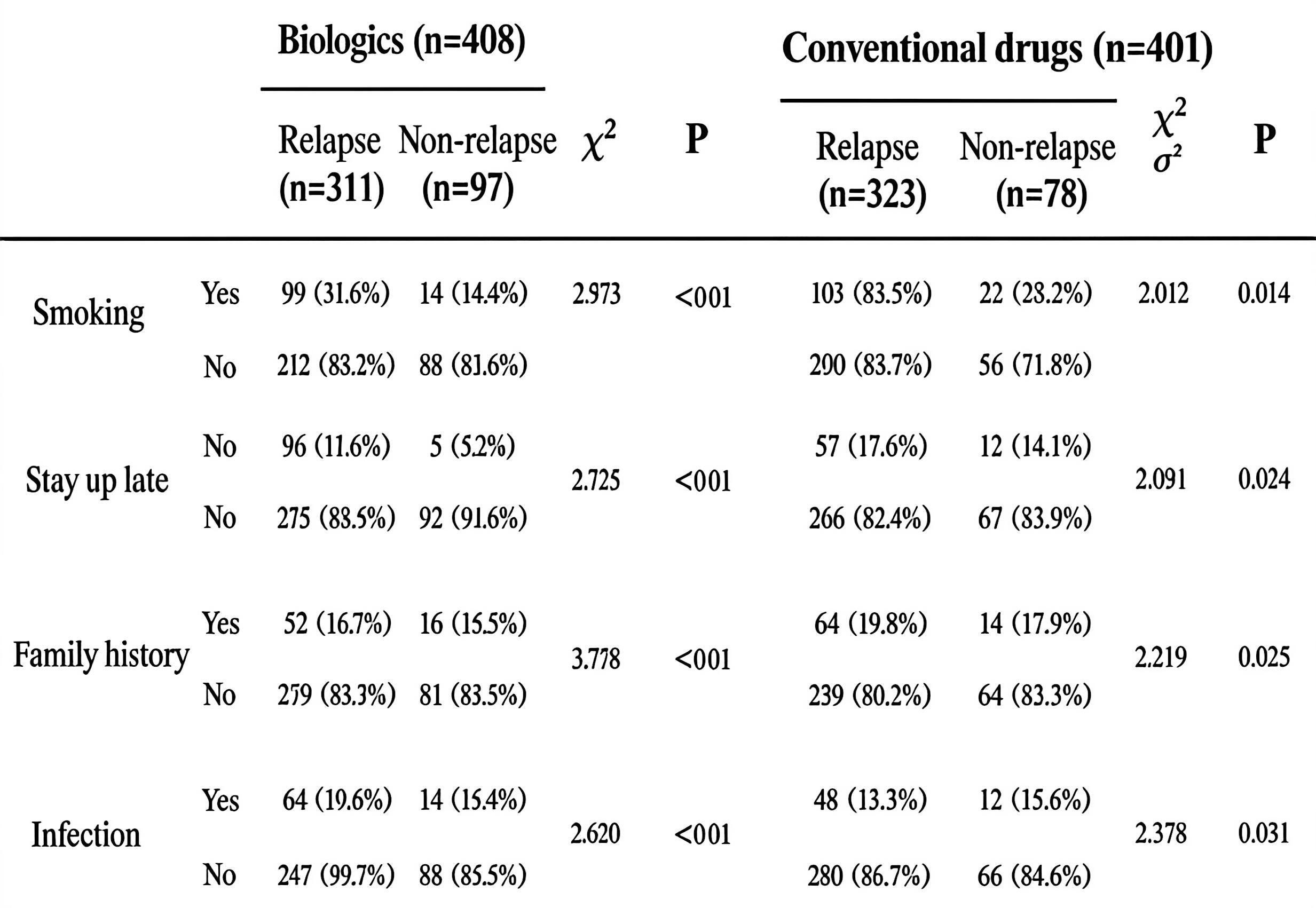
Table 2 Univariate risk factor analysis for relapse after discontinuation
These results suggest that whether conventional systemic drugs or biologics are discontinued, there is a high risk of relapse; if discontinuation is truly considered clinically, the risks should be fully communicated, and patients with the above risk factors should undergo enhanced follow-up monitoring.
3 Clinical Characteristics of Super-Responders and Refractory Patients
With the same biologic regimen, efficacy varies greatly among individual patients. The team included 664 patients receiving IL-17 inhibitors and divided them into super-responders (SR, n=120), severe non-responders (SNR, n=82), and controls (n=442). SR was defined as achieving PASI 0 before 4 weeks and maintaining it until 24 weeks; SNR was defined as PASI ≥2 at 24 weeks or body surface area (BSA) ≥3% at relapse within 24 weeks.
Multivariate logistic regression showed that lower body mass index (BMI) and no prior treatment history were independent predictors of super-response. Using refractory patients as the reference, the OR for BMI in the SR group was 0.854 (p=0.002), and the OR for no prior treatment was 2.822 (p=0.001). Higher BMI, prior treatment history, and longer disease duration were predictors of refractory patients. In addition, baseline C-reactive protein (CRP) may serve as a simple inflammatory biomarker for predicting IL-17 inhibitor efficacy, helping to early identify potential refractory patients.
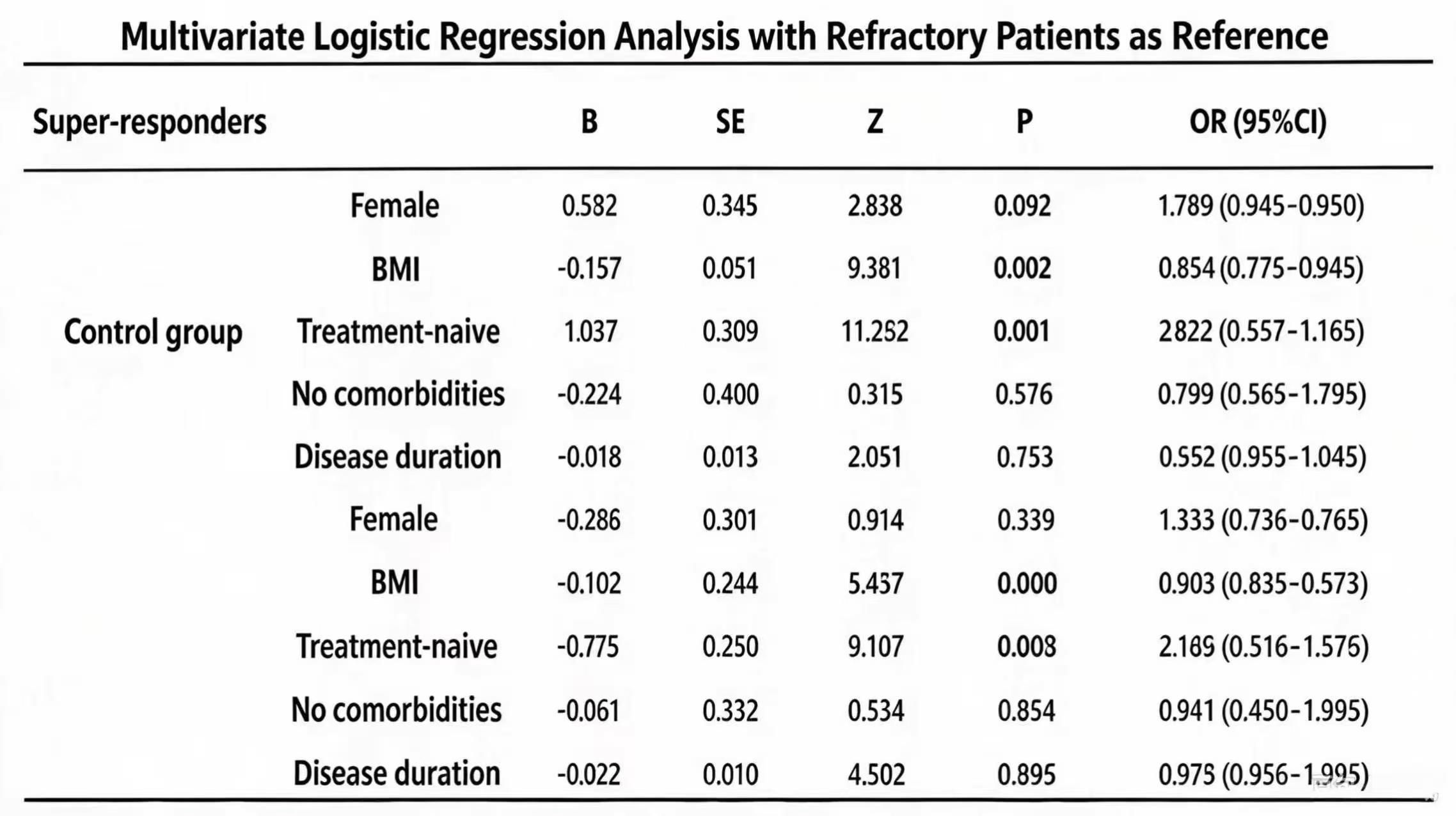
Table 3 Multivariate logistic regression analysis using refractory patients as the reference
The results suggest that pretreatment assessment of BMI, prior treatment history, and baseline CRP can help predict efficacy and optimize treatment selection.
4 Real-World Exploration of Extending Dosing Intervals After Secukinumab Achieves Treatment Targets
Long-term standard biologic treatment can maintain good psoriasis control, but high treatment costs and declining patient adherence are real clinical pain points. Under the premise of fully achieving deep disease remission, whether dosing intervals can be safely extended to maintain efficacy while reducing economic burden and improving adherence is a real-world question urgently requiring an answer.
The study included 1,016 psoriasis patients treated with secukinumab. After 6 weeks of regular treatment, they were divided into three groups for maintenance therapy: standard every 4 weeks (q4w), extended every 6 weeks (q6w), and extended every 8 weeks (q8w), with follow-up up to 52 weeks. Results suggested that in patients with stable PASI 90 maintenance, extending dosing to q6w showed no significant statistical difference in efficacy or relapse risk compared with the standard q4w regimen; moreover, the q6w regimen had better pharmacoeconomic benefits and patient adherence; however, further extension to q8w led to decreased efficacy. Multivariate analysis suggested that patients with obesity (BMI ≥30 kg/m²), male sex, or family history of psoriasis were more likely to experience treatment response failure with the q6w extended maintenance regimen.
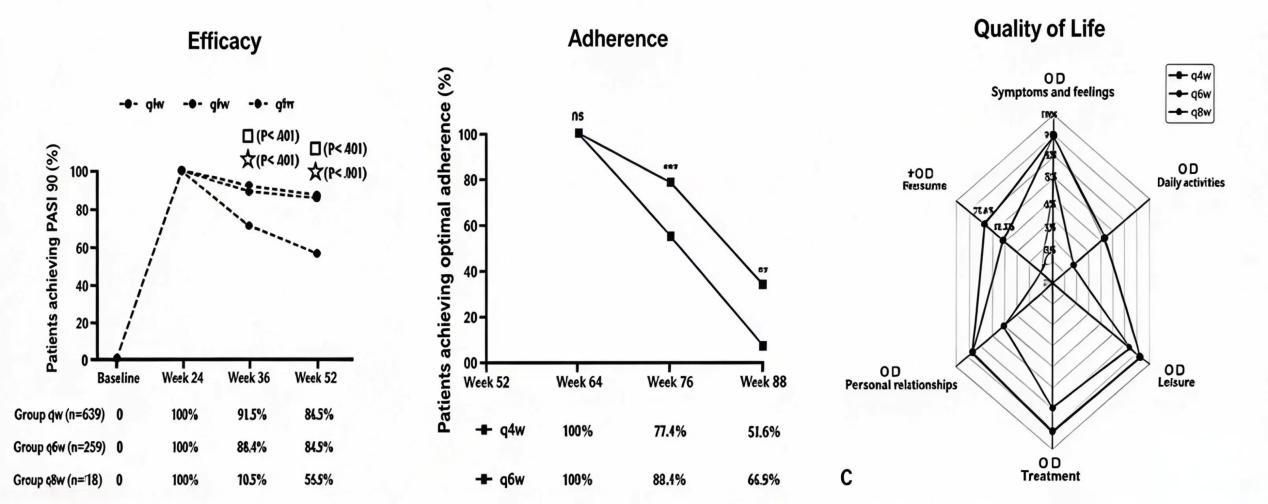
Figure 2 Comparison of efficacy, adherence, and quality of life among different dosing interval groups
Therefore, in clinical practice, only patients who have stably achieved PASI 90 are recommended to cautiously consider extending the interval to 6 weeks. Extension is not recommended for obese individuals or those with family history, and after extension, skin lesions should be closely monitored; if disease rebounds, the standard dosing regimen should be immediately resumed.
5 Genetic Mechanisms of Psoriasis and Metabolic/Cardiovascular Comorbidities
Psoriasis is not a disease limited to the skin; it is often accompanied by metabolic traits such as obesity, type 2 diabetes, non-alcoholic fatty liver disease, and hypertension, while the risk of cardiovascular disease (CVD) such as coronary heart disease, stroke, and heart failure is also increased. However, whether the relationship is causal or driven by a shared genetic background had not been fully elucidated. This study integrated genome-wide association study (GWAS), transcriptomic, proteomic, and metabolomic multi-omics data to dissect the shared genetic architecture of psoriasis (PSO)-metabolic traits and PSO-CVD, and used bidirectional Mendelian randomization (MR) analysis to determine directional associations.
In European populations, psoriasis was confirmed to have extensive genetic correlation with 7 metabolic traits, and key pleiotropic hotspot regions such as chr2p23.3 and chr12q24 were identified. Multi-omics evidence pointed to lipid metabolism, kynurenine metabolism, and immune-inflammatory pathways involved in comorbidity development. Bidirectional MR results suggested that increased genetic susceptibility to metabolic traits raises the risk of psoriasis, whereas genetic susceptibility to psoriasis does not conversely increase the risk of metabolic diseases. Extension to cardiovascular disease research yielded similar conclusions: psoriasis had global and local genetic correlations with 14 cardiovascular diseases, with the JAK-STAT immune-inflammatory pathway and nucleic acid-sphingolipid metabolism as shared molecular mechanisms; MR analysis suggested that genetic susceptibility to hypertension and arterial disease lies upstream of psoriasis onset.
This series of studies suggests that when facing patients with psoriasis, clinicians should not focus only on skin lesions but should actively screen for metabolic and cardiovascular risk factors, prioritize intervention for underlying metabolic and cardiovascular diseases, and achieve integrated management of skin and systemic comorbidities.
6 Summary
Real-world research, grounded in actual clinical dilemmas, provides an important complement to RCT evidence. Professor Hong Liu’s team conducted a series of real-world and multi-omics studies around five major real-world clinical issues in psoriasis: after biologic treatment failure, within-class switching is preferred in the short term, while long-term efficacy of within-class and cross-class switching is similar; whether conventional systemic drugs or biologics are discontinued, relapse rates are high, and the median time to relapse after biologic discontinuation is longer; low BMI and no prior treatment history are more likely to be associated with super-response, while high BMI and long disease duration are risk factors for refractoriness; patients who have achieved deep remission may cautiously extend the secukinumab interval to 6 weeks, but extension maintenance should be cautious in obese individuals and those with family history; psoriasis-metabolic/cardiovascular comorbidities share a common genetic basis, and genetic susceptibility to metabolic and cardiovascular diseases can increase the risk of psoriasis.
The above evidence provides an important real-world basis for stratified treatment, discontinuation/reduction decisions, and comprehensive comorbidity management of moderate-to-severe psoriasis. In the future, larger domestic cohorts are still needed to further validate predictive markers and promote the development of psoriasis from “standardized treatment” toward more refined individualized precision medicine.
Expert Profile

Professor Hong Liu
Affiliated Dermatology Hospital of Shandong First Medical University
Areas of expertise: diagnosis and treatment of inflammatory and immune-mediated skin diseases, including atopic dermatitis, bullous diseases (e.g., bullous pemphigoid), and psoriasis, as well as infectious skin diseases.