
2026 ASCO | Dr. Zhaolun Li: Enduring Innovation in Urology – Building a New Era of Systemic Therapy for Prostate Cancer
At ASCOGU2026, Dr. Zhaolun Li discussed PTEN/HRR-guided treatment, targeted therapy, radioligand therapy, and emerging systemic strategies.
Editor’s Note: At the 2026 ASCO Genitourinary (GU) Cancers Symposium, more than ten key Phase III and II clinical results in prostate cancer challenged multiple traditional treatment paradigms. This article synthesizes the core data by disease stage, featuring in-depth commentary by Dr. Zhaolun Li from the Second Affiliated Hospital of Xi'an Jiaotong University on the clinical implications for future treatment strategies.
1 New Advances in Localized & Biochemical Recurrent Prostate Cancer
PEACE-2: No Benefit from Adjuvant Cabazitaxel in Very High-Risk Patients
Study Design: A 2×2 factorial, randomized controlled Phase III trial enrolling 761 patients with very high-risk localized prostate cancer (≥2 high-risk factors: Gleason ≥8, T3–T4, PSA ≥20 ng/mL), all receiving radiotherapy + ADT, randomized to radiotherapy alone or combined with cabazitaxel. Primary endpoint: 7-year cPFS.
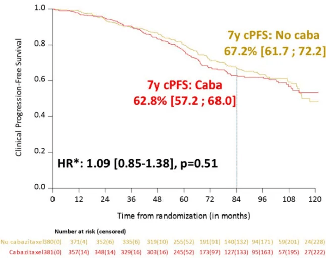
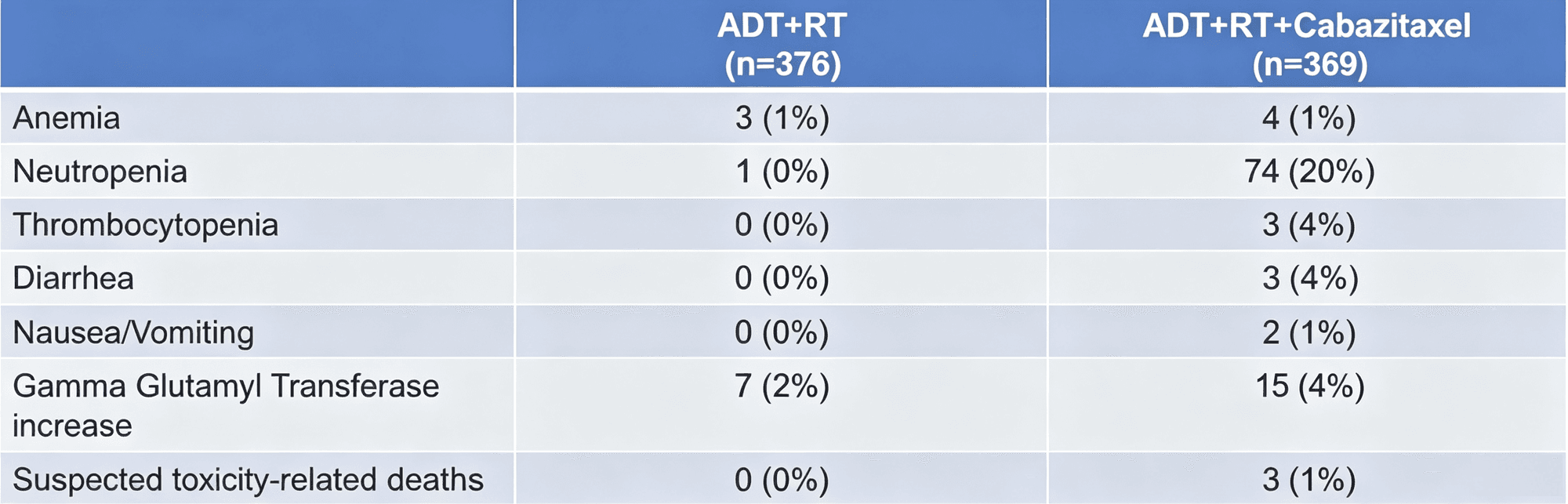
Dr. Zhaolun Li: The core results showed 7-year cPFS of 67.2% in the radiotherapy-alone group versus 62.8% in the cabazitaxel combination group (HR=1.09, P=0.51), with no survival benefit. In terms of safety, the combination group had 20% grade 3–4 neutropenia, 4% diarrhea, and 3 treatment-related deaths, while the radiotherapy-alone group had zero severe adverse events. Therefore, the prior strategy of upfront chemotherapy is not supported; the standard regimen for very high-risk localized prostate cancer remains definitive radiotherapy combined with long-term ADT, and cabazitaxel is not routinely added.
EvoPAR-Prostate02
Study Design: A dual-cohort, randomized, double-blind, placebo-controlled Phase III trial across 254 centers in 24 countries, planning to enroll 700 patients with newly diagnosed BRCA-mutated high-risk/very high-risk locally advanced or early post-prostatectomy recurrent prostate cancer. All receive definitive/salvage radiotherapy + full-course ADT, randomized to saruparib + ADT or placebo + ADT, with some cohorts also receiving abiraterone. Treatment duration: 24 months. Primary endpoint: MFS. Recruitment launched in July 2025 and is ongoing.
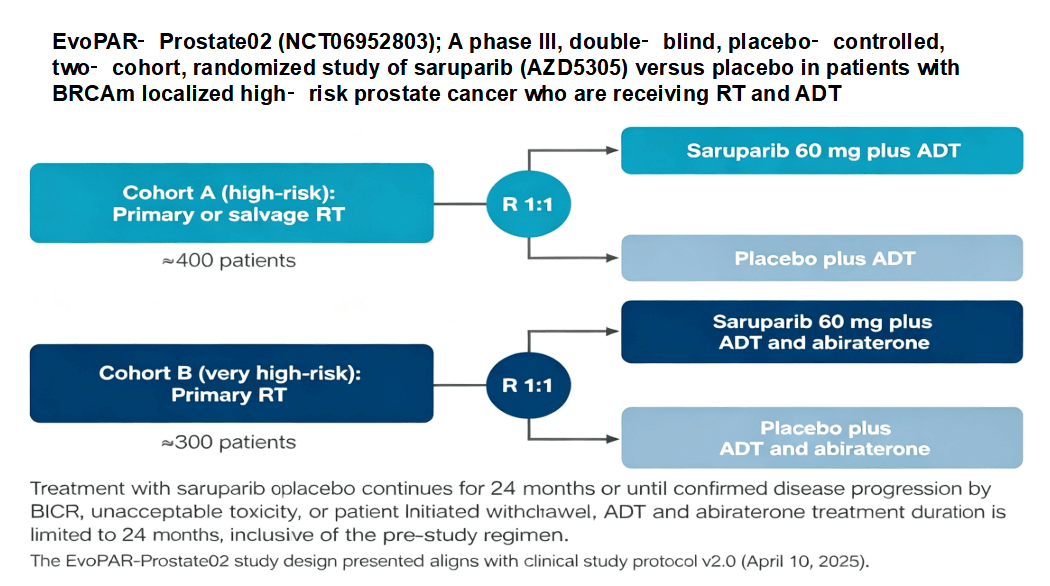
Dr. Zhaolun Li: Currently, no PARP inhibitor is approved for adjuvant treatment of localized prostate cancer. Clinically, HRR gene testing can be performed before and after definitive treatment to identify patients who may benefit. Final data are awaited to provide more diversified treatment strategies for this patient population.
RTOG 3506
Study Design: A randomized controlled Phase II trial enrolling high-risk prostate cancer patients with biochemical recurrence (PSA ≥0.2 ng/mL) after radical prostatectomy and at least one aggressive feature, evaluating whether adding enzalutamide to salvage radiotherapy (SRT) plus 24-month GnRHa androgen deprivation improves PFS compared with standard androgen deprivation therapy.
Primary Endpoint: PFS
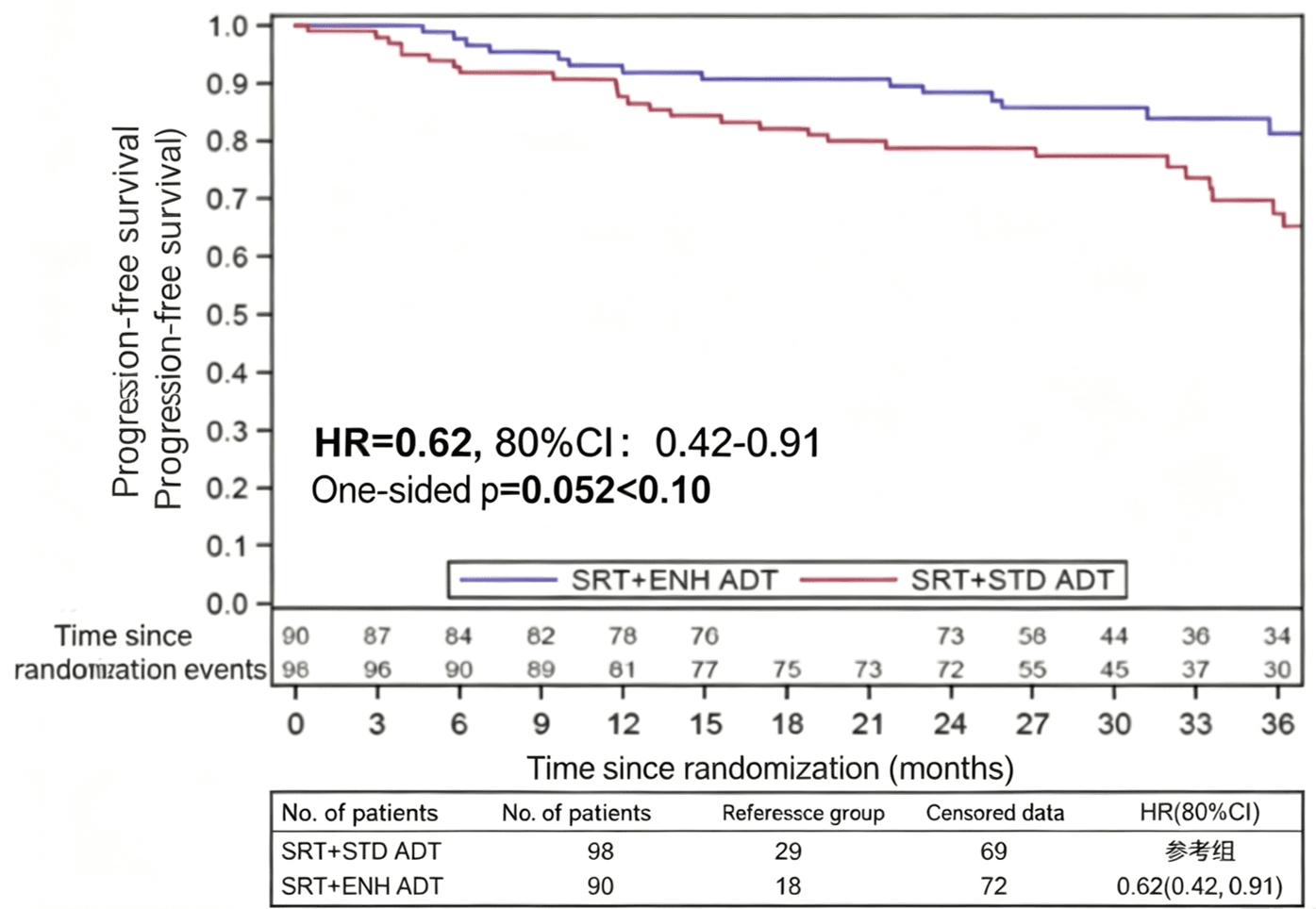
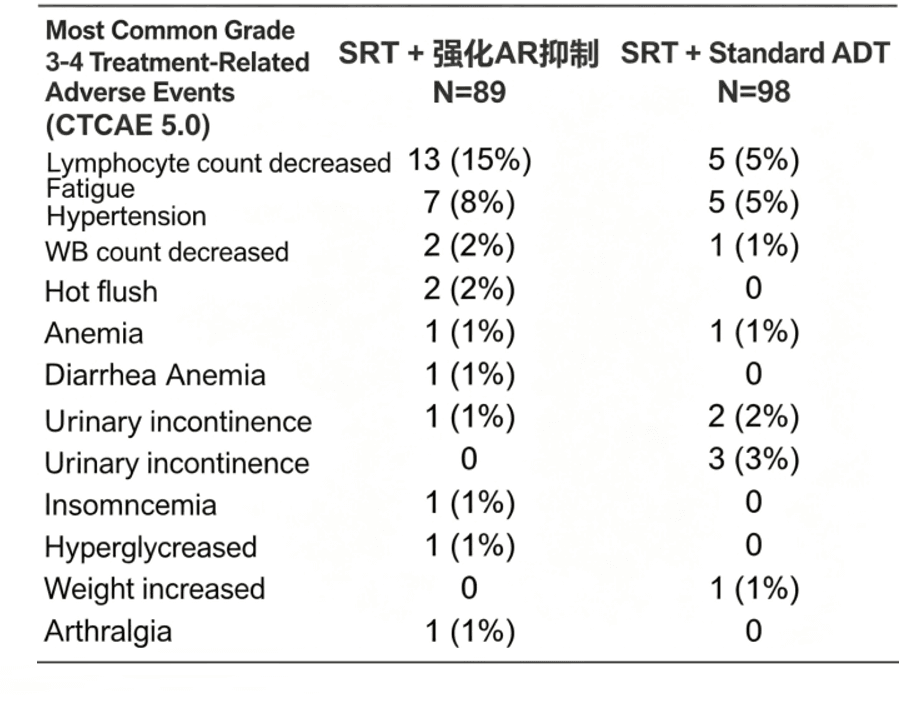
Dr. Zhaolun Li: This Phase II randomized study enrolled post-prostatectomy patients with PSA ≥0.2 ng/mL and high-risk aggressive features of biochemical recurrence, all receiving salvage radiotherapy + 24-month standard ADT, with the experimental arm adding enzalutamide. Results showed a 38% reduction in progression risk in the combination group (HR=0.62, one-sided P=0.052); safety showed only a mild increase in lymphocytopenia with no new safety signals. For post-surgical high-risk patients with biochemical recurrence at very high risk of relapse, combining enzalutamide with salvage radiotherapy can effectively prolong progression-free survival.
EMBARK Post-Hoc Analysis
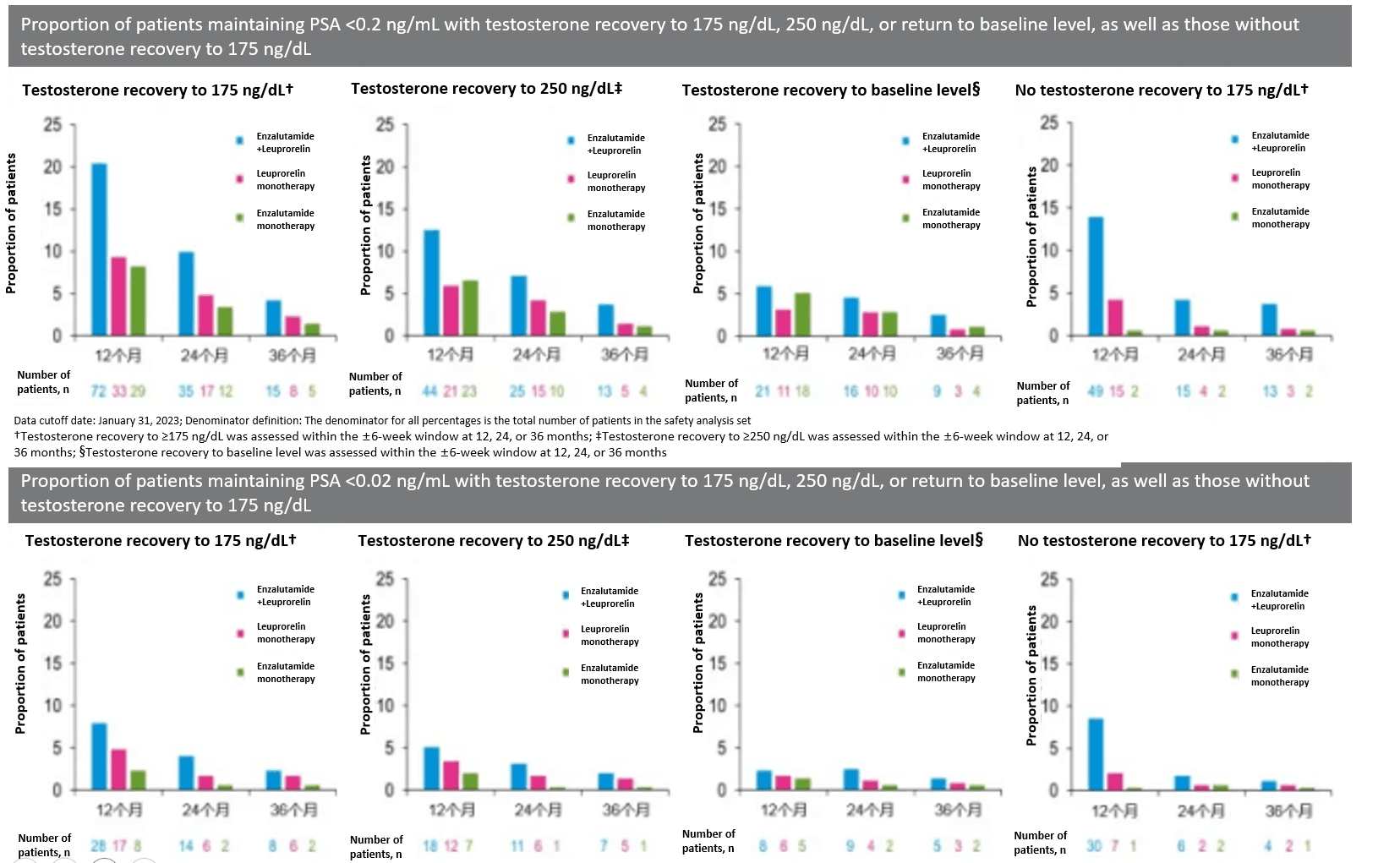
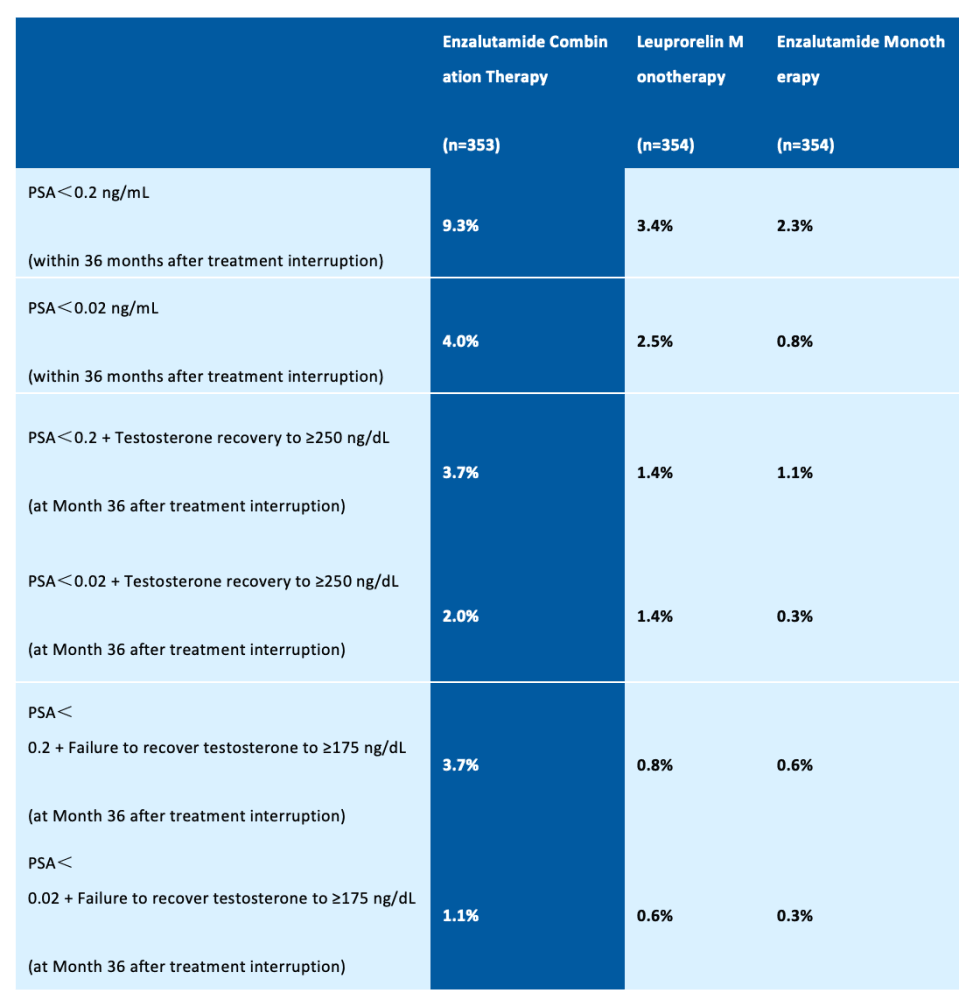
Study Design: A post-hoc analysis of the Phase III EMBARK trial, including 1,068 patients with PSA progression and non-metastatic castration-sensitive prostate cancer, evaluating the proportion of patients with deep PSA response (<0.2 ng/mL or <0.02 ng/mL) and testosterone recovery after treatment interruption for 12, 24, or 36 months.
Key Findings:
In patients with PSA <0.2 ng/mL: 9.3% in the enzalutamide + leuprolide combination group, far higher than 2.3% with enzalutamide monotherapy and 3.4% with leuprolide alone.
Deep response (PSA <0.02 ng/mL): 4.0% in the combination group.
3.7% achieved deep PSA control with simultaneous testosterone recovery to ≥250 ng/dL.
Dr. Zhaolun Li: Enzalutamide combined with leuprolide for 9 months can achieve sustained PSA <0.2 ng/mL in a higher proportion of patients while allowing testosterone recovery. For patients with low metastatic risk who wish to preserve endocrine function long-term, the enzalutamide + GnRH agonist regimen is preferred.
2 Core Breakthroughs in mHSPC (Metastatic Hormone-Sensitive Prostate Cancer)
CAPItello-281 (Abstract 14): PTEN Loss Favors Abiraterone + Capivasertib
Study Design: A global, multicenter, randomized, double-blind Phase III trial enrolling 1,012 patients with PTEN-deficient newly diagnosed metastatic castration-sensitive prostate cancer (mHSPC), evaluating whether adding capivasertib to abiraterone + prednisone/prednisolone + ADT improves investigator-assessed rPFS versus placebo.
Primary Endpoint: Investigator‑assessed rPFS/
rPFS in PTEN Subgroups
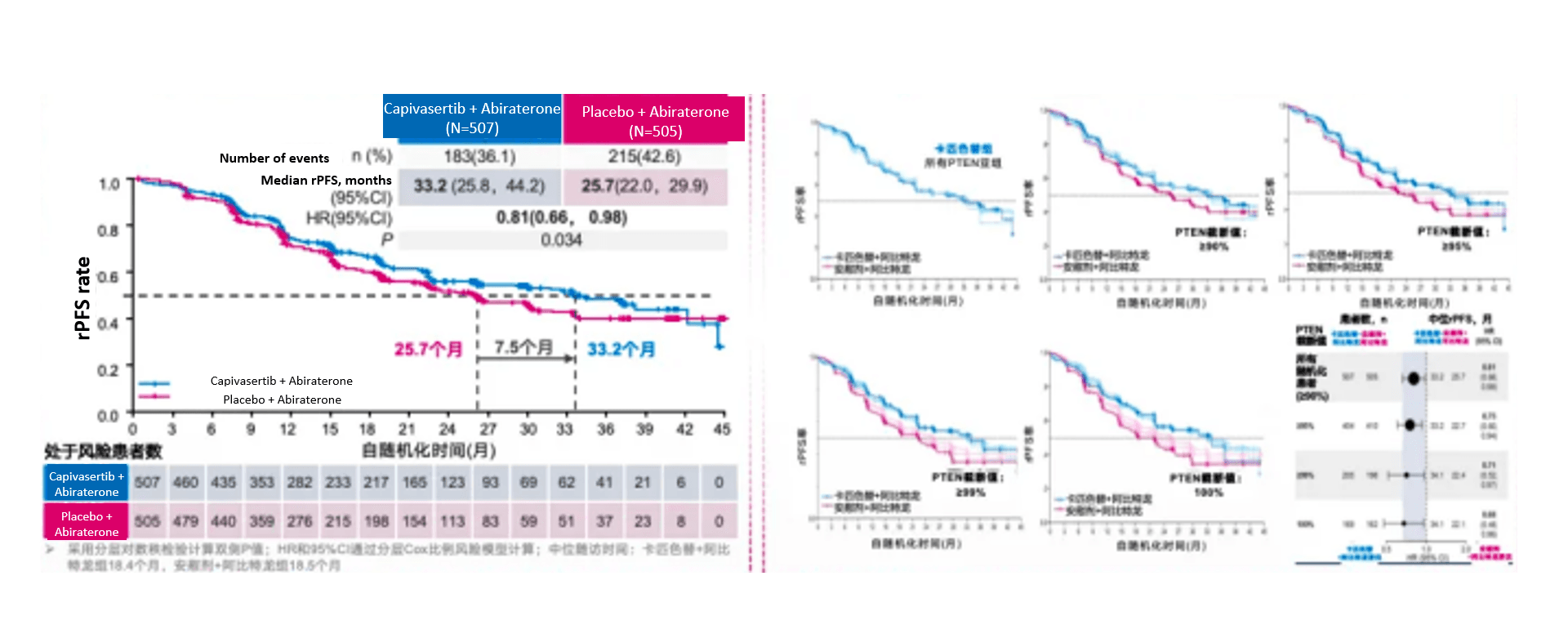
Primary Endpoint: Investigator‑assessed rPFS/ rPFS in PTEN Subgroups
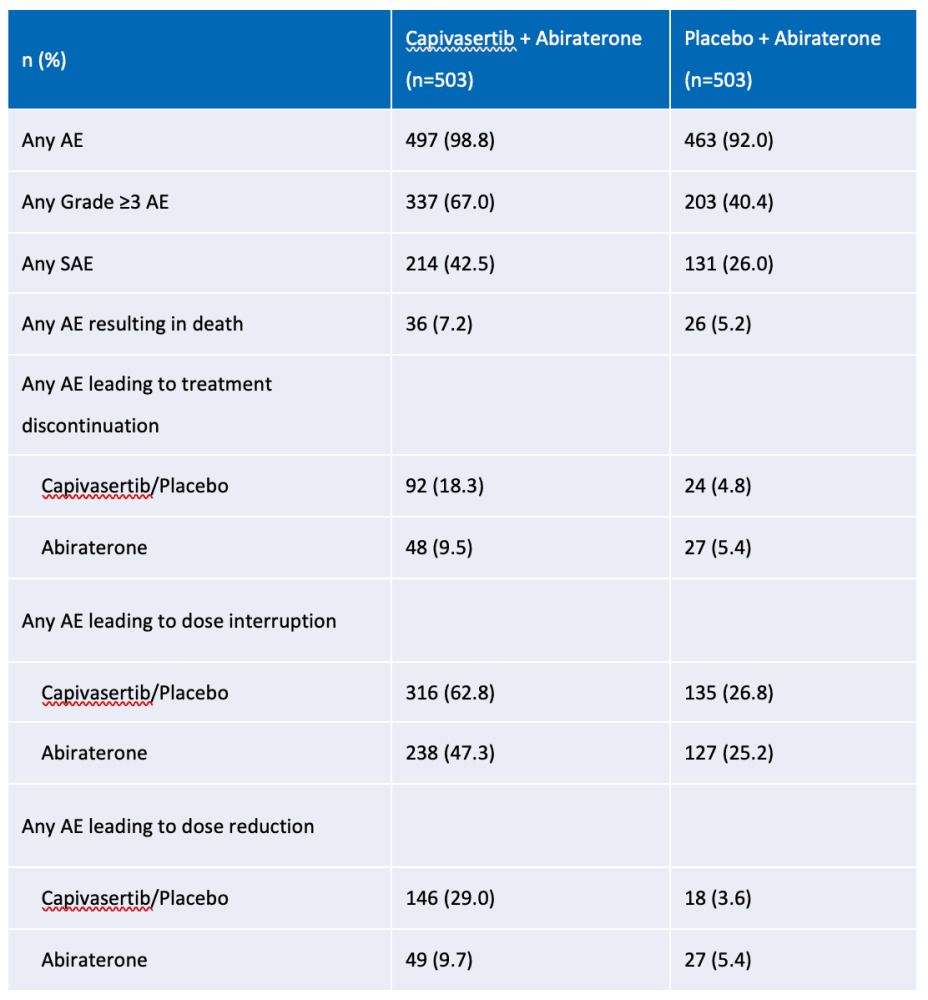
Safety Summary
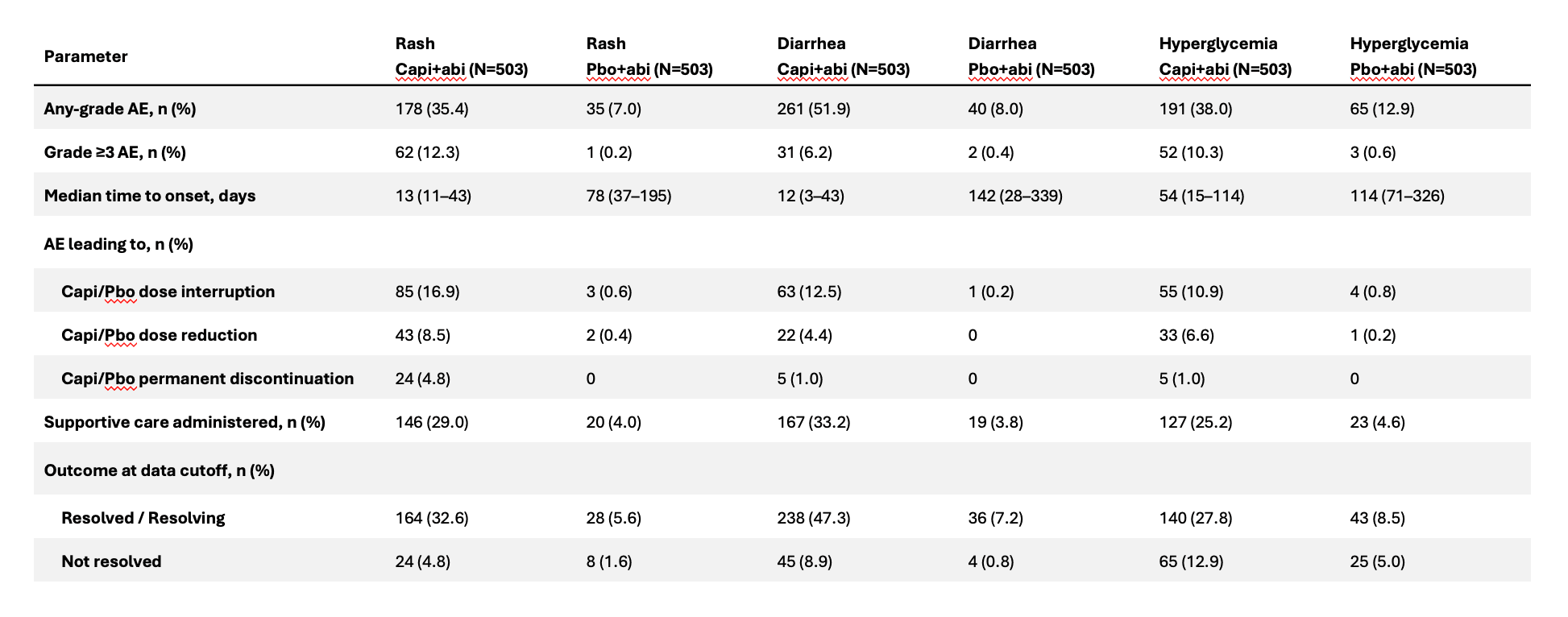
Common AEs Associated with AKT Inhibition
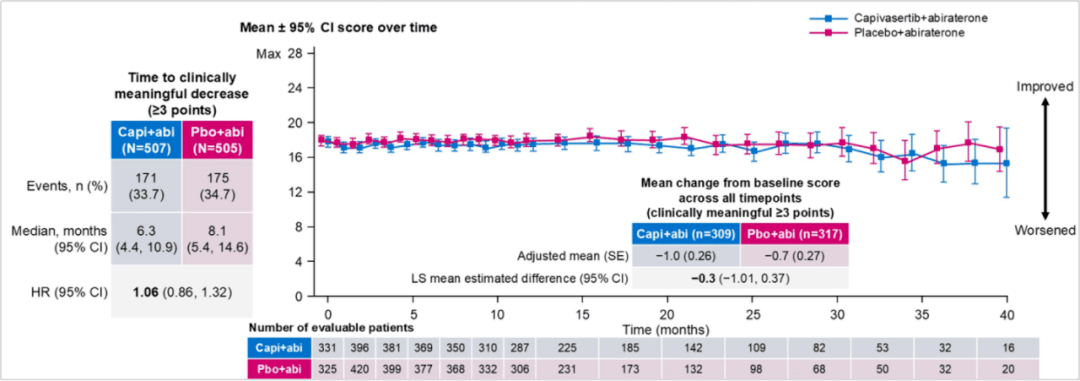
PWB Subscale (PWB covers outcome measures including adverse events, physical functioning, nausea, and pain)
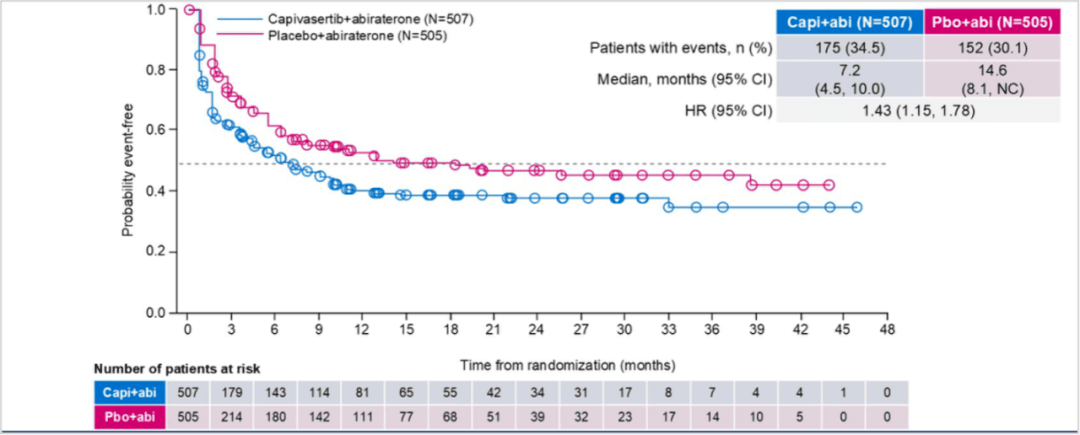
FWB Subscale (FWB covers outcome measures including work ability, sleep quality, and ability to enjoy life)
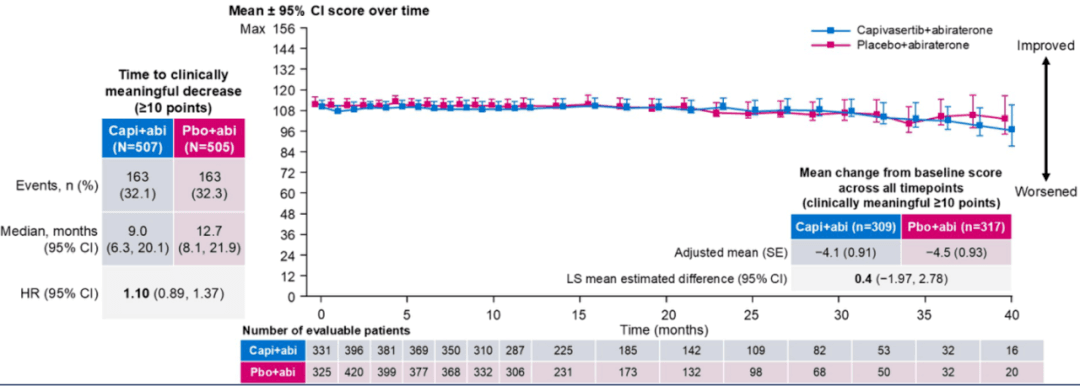
Time to Clinically Meaningful Deterioration on the PWB Subscale
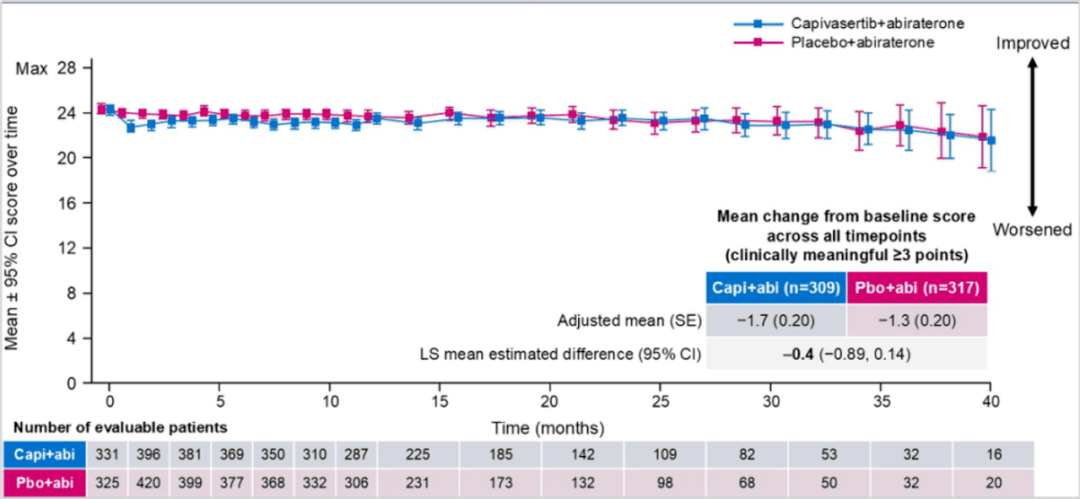
FACT‑P Total Score (FACT‑P Total Score comprises physical well‑being, functional well‑being, emotional well‑being, and prostate‑cancer‑specific symptoms)
Dr. Zhaolun Li: Median rPFS was 33.2 months in the combination group versus 25.7 months in the placebo group (HR=0.81, P=0.034); benefit was further amplified in the PTEN-loss subgroup. In terms of safety and quality of life, diarrhea, hyperglycemia, and rash were mostly concentrated in the first 3 months of treatment, with 63% of dose reduction/discontinuation events occurring in the first 3 months; proactive symptomatic management can control these. FACT-P total scores showed no long-term significant decline, indicating no meaningful impact on overall quality of life. For clinical stratification, all treatment-naïve mHSPC patients should undergo PTEN expression testing; in PTEN-deficient populations, first-line treatment should preferentially combine abiraterone with capivasertib.
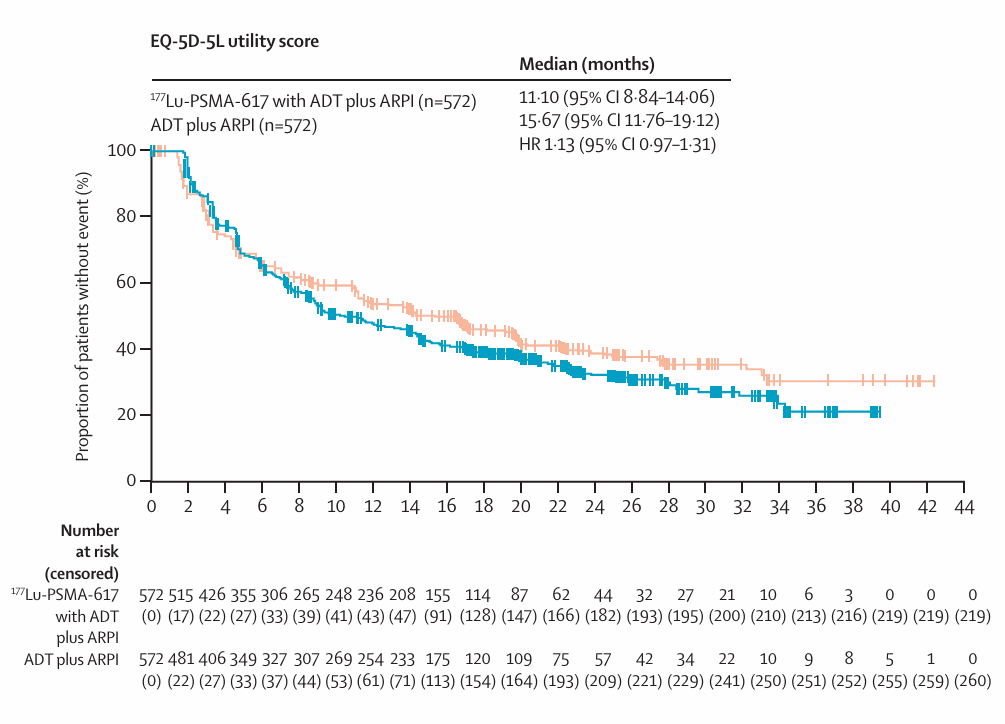
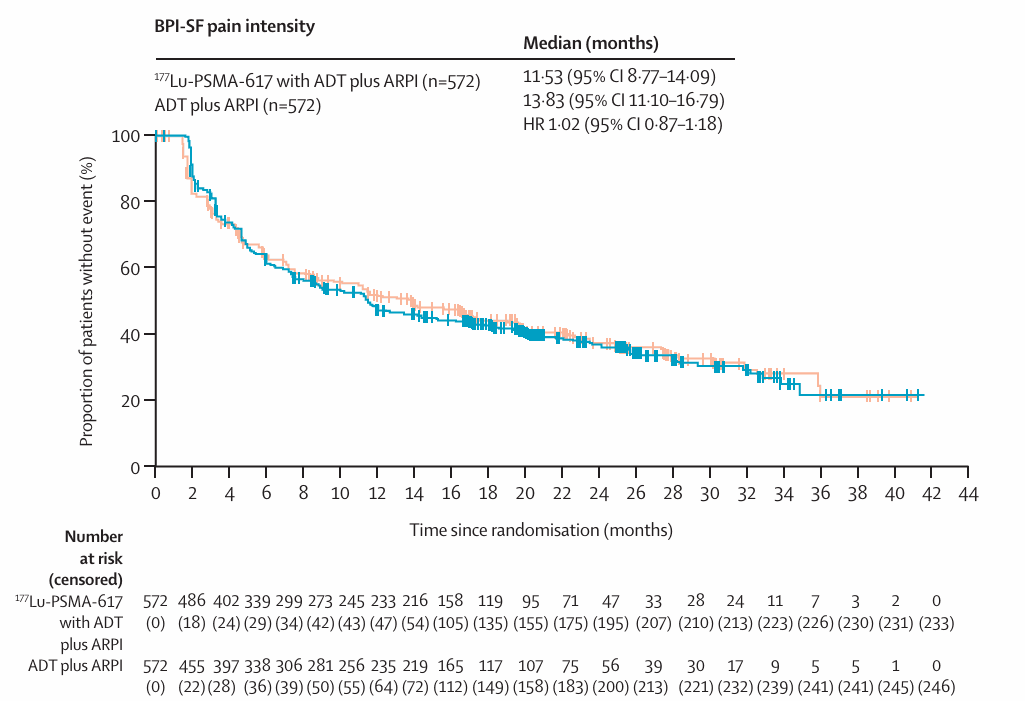
PSMAddition: 177Lu-PSMA Can Be Used in First-Line mHSPC
Study Design: A Phase III trial enrolling PSMA-positive treatment-naïve mHSPC patients, randomized 1:1 to ADT + ARPI standard regimen or ADT + ARPI combined with 6 cycles of 177Lu-PSMA-617.
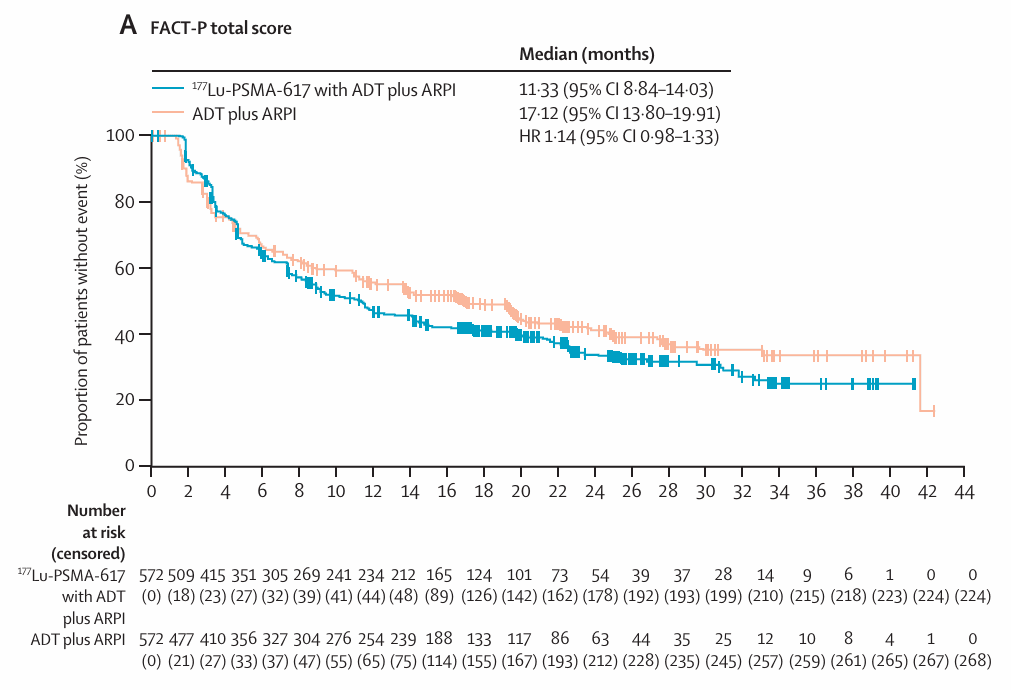
Time to Composite of HRQoL Deterioration and Worsening Cancer Pain
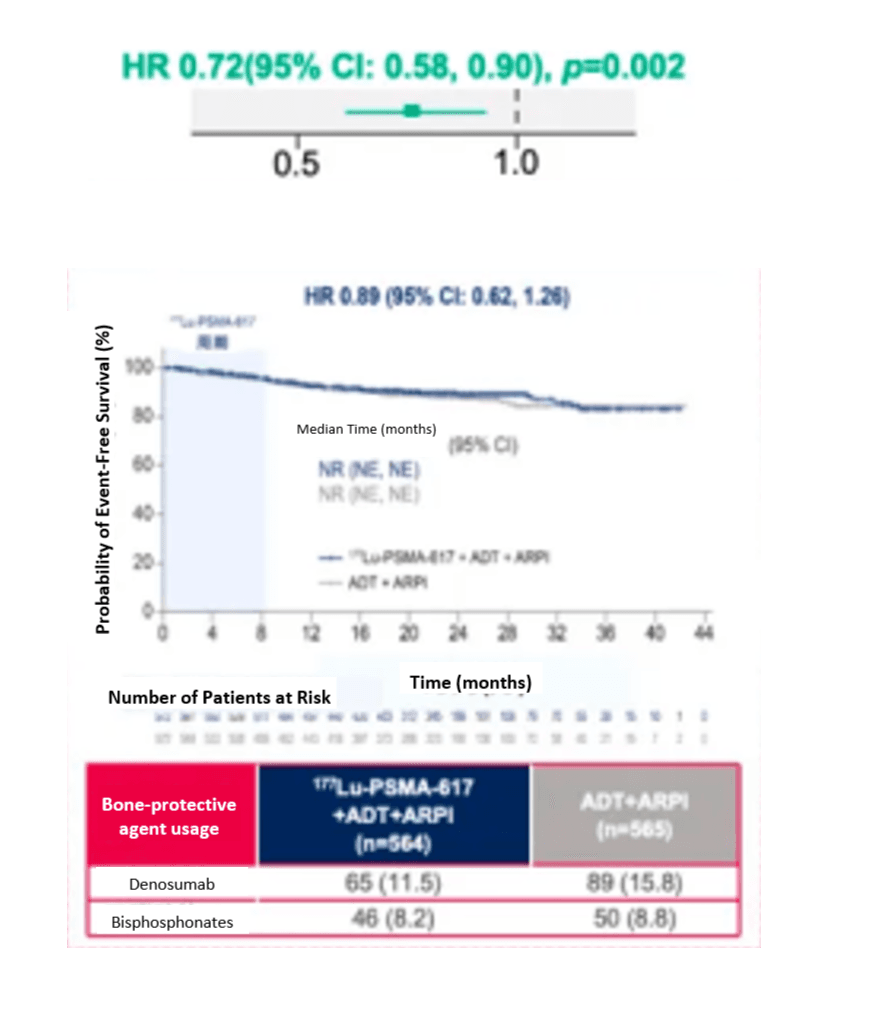
Time to Composite Endpoint of First SSE or Death
Dr. Zhaolun Li: The composite endpoint of time to first skeletal-related event or death showed HR=0.72, with significantly reduced distant progression risk. The companion PRECISION real-world study showed that 177Lu-PSMA combined with ARPI achieved median OS of 20.0 months, superior to 15.7 months with monotherapy. Quality-of-life scores showed minor fluctuations during the radionuclide treatment cycles, with no differences in pain or overall health scores compared with the control group after completing all cycles, so there is no need for excessive concern about long-term quality-of-life impairment.
Future Outlook: MEVPRO-3
Study Design: NCT07028853 is a global randomized double-blind Phase III study planning to enroll approximately 1,000 treatment-naïve mHSPC patients, randomized 1:1 to mevrometostat + enzalutamide or placebo + enzalutamide. Stratification factors: tumor burden, de novo/relapsed metastasis. Primary endpoint: rPFS. North American enrollment is complete; Asia-Pacific recruitment is ongoing. This represents an important future first-line combination option for mHSPC.
4 Major Updates in mCRPC (Metastatic Castration-Resistant Prostate Cancer)
EORTC 1333/PEACE-3: Enzalutamide + Radium-223 Significantly Prolongs Overall Survival
Study Design: 446 patients with bone-only metastatic, asymptomatic/mildly symptomatic mCRPC, comparing enzalutamide monotherapy versus enzalutamide combined with 6 cycles of radium-223.
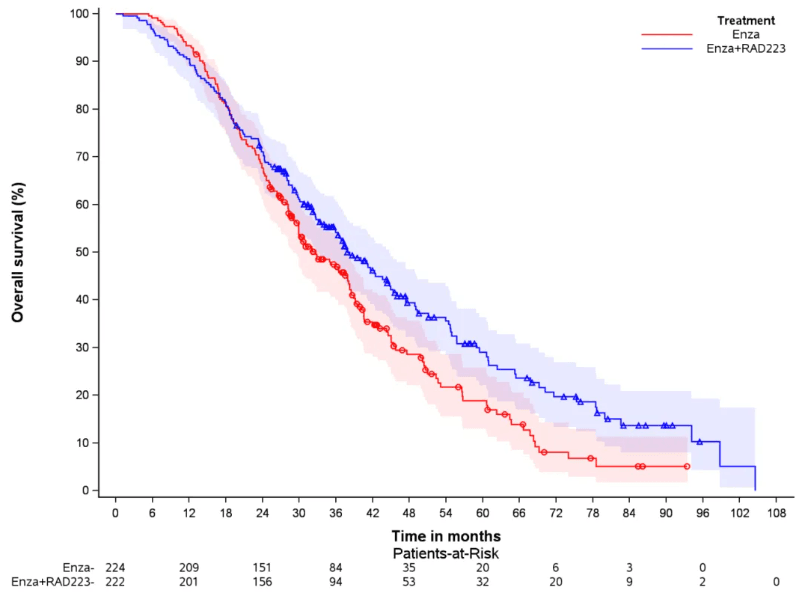
OS
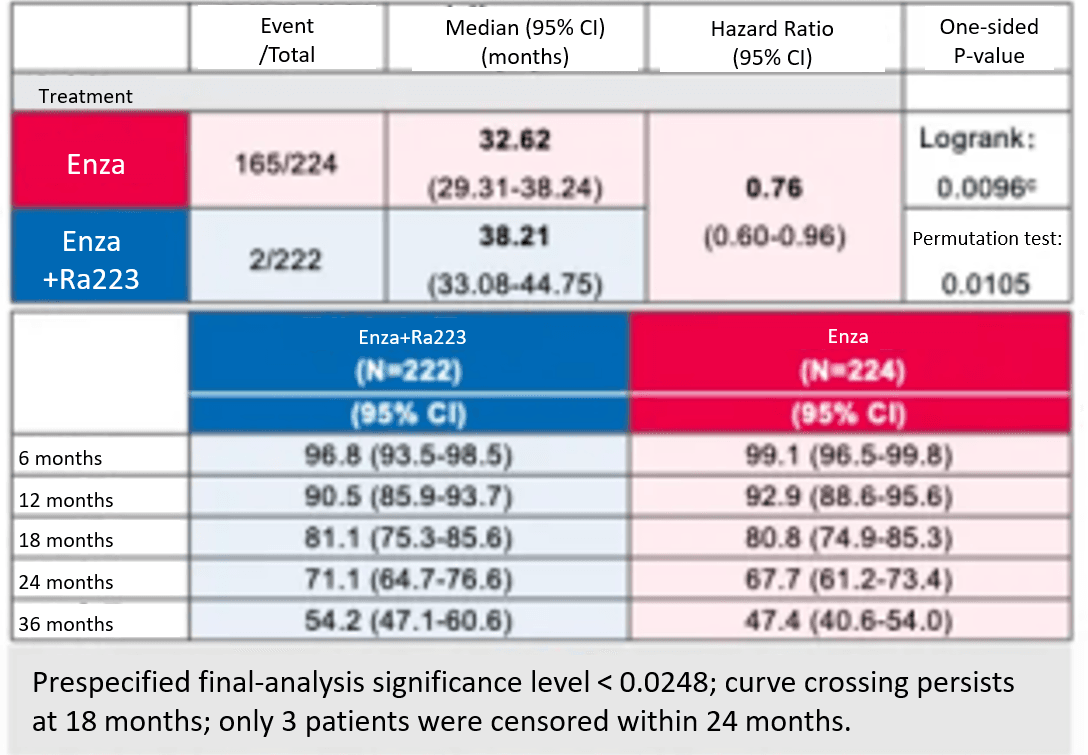
Dr. Zhaolun Li: Median OS was 32.6 months versus 38.2 months (HR=0.76, P=0.0096), representing a 24% reduction in mortality risk. Median rPFS was 16.4 months versus 19.2 months, with a 29% reduction in progression risk. In terms of safety, grade 3–5 TEAE was mildly elevated in the combination group, but no single adverse event increased by more than 5%; only rare cases of MDS, AML, and osteonecrosis of the jaw were observed, which can be effectively managed with standardized oral screening and bone-protective agents.
BRCAAway Phase II Trial: HRRm mCRPC First-Line Prefers Simultaneous PARP + AR Combination
Study Design: BRCAAway is a Phase II/III randomized trial enrolling 61 first-line HRR (BRCA/ATM) mutant mCRPC patients, divided into three arms: abiraterone monotherapy, olaparib monotherapy, and olaparib + abiraterone combination.
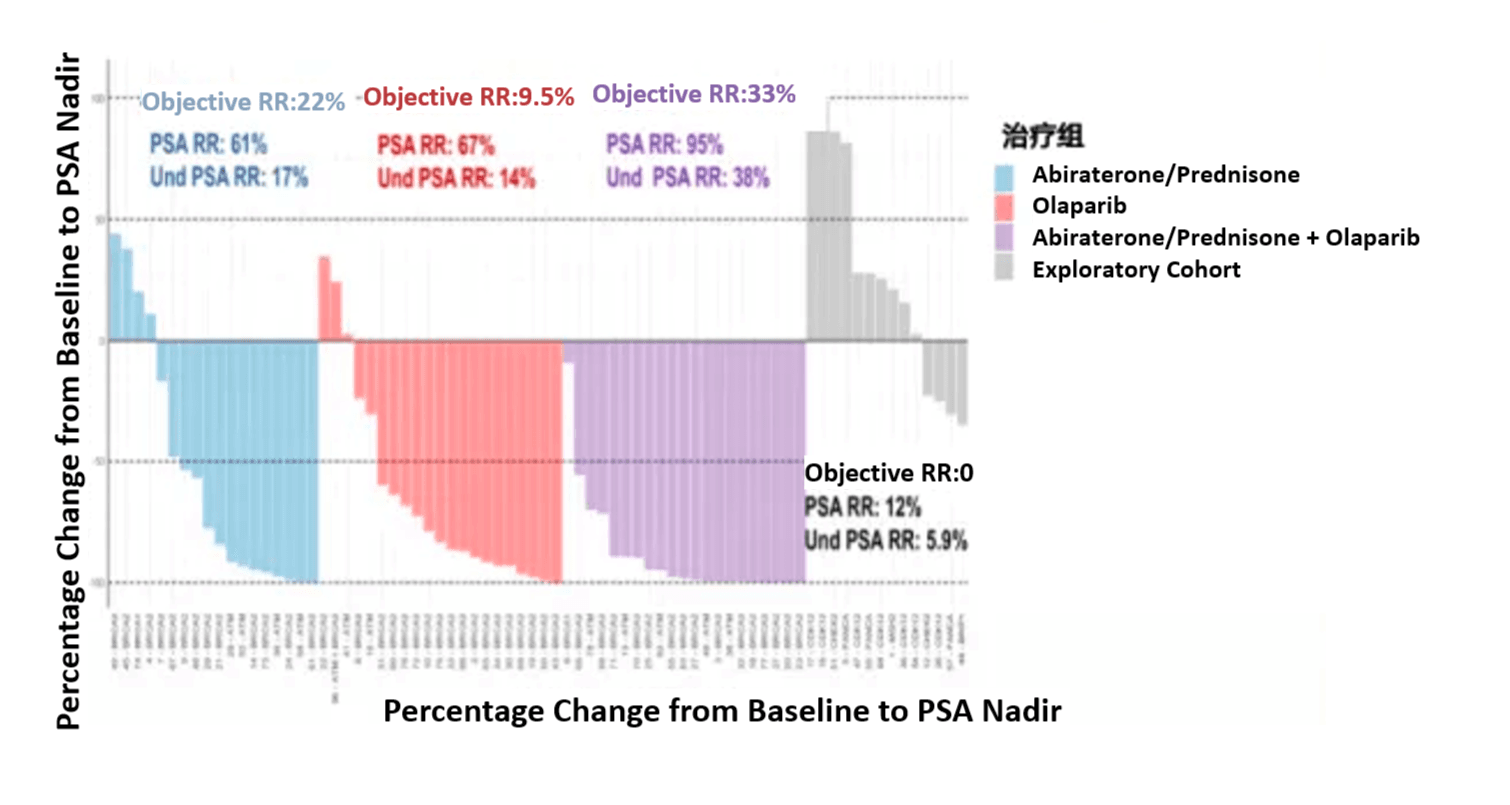
ORR and PSA Response Rates
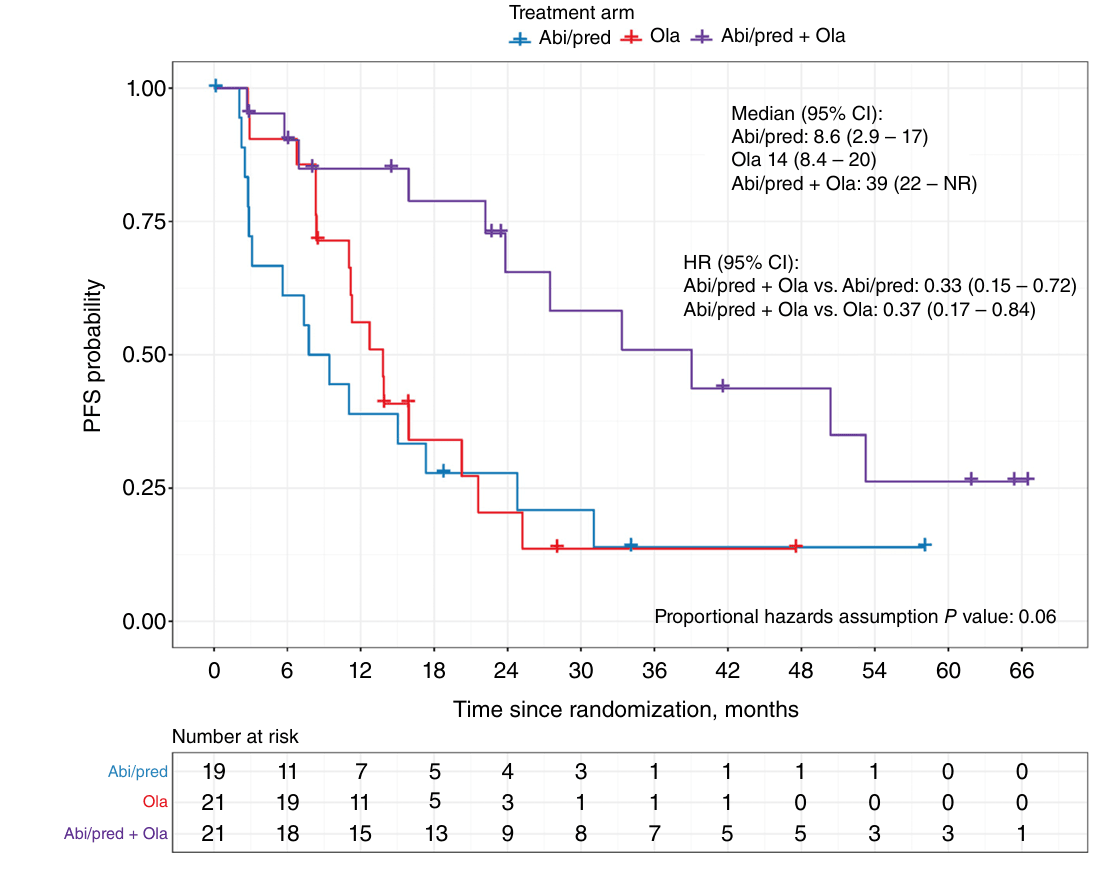
Progression‑Free Survival: Randomized Population (n=61)
Dr. Zhaolun Li: The combination group achieved median OS of 68 months, compared with 28 months for abiraterone monotherapy and 37 months for olaparib monotherapy; mortality risk was reduced by 61% versus abiraterone (HR=0.39). Median PFS reached 39 months, ORR was 33%, and PSA response rate was 95%. Cross-over after disease progression provided limited benefit; direct first-line dual combination is the optimal choice for HRRm patients.
Clinical Data for Two Novel Oral Agents
Igemetostat (Abstract 169): Phase Ib/II, 87 patients with mCRPC progressing after prior abiraterone; 1200 mg BID combined with enzalutamide was the recommended Phase II dose. In prior abiraterone patients, median rPFS was 18.6 months, 12-month rPFS rate was 62.2%, 31.4% achieved PSA50, grade ≥3 TEAE was only 27.6%, with no treatment-related deaths.
Mevrometostat (Abstract 195): Phase I, 29 heavily pretreated mCRPC patients; Part 2A heavily pretreated population had median rPFS of 14.3 months, Part 2C abiraterone treatment-naïve population had median rPFS not yet reached, PSA50 up to 42.9%. Common adverse events included diarrhea and thrombocytopenia, with an overall discontinuation rate of only 10.3% and good tolerability.
5 Hot Questions
Q1. For patients with advanced disease, can upfront chemotherapy reduce the risk of early metastasis?
Dr. Zhaolun Li: The negative Phase III results of PEACE-2 show that adjuvant cabazitaxel only adds toxicity without survival benefit and is not routinely used clinically.
Q2. Do all mHSPC patients need PTEN/HRR gene testing?
Dr. Zhaolun Li: AKT inhibitors significantly prolong progression-free survival in PTEN-deficient populations, and PARP combination substantially extends overall survival in HRR-mutant patients. Treatment-naïve patients should undergo comprehensive genetic stratification.
Q3. Can 177Lu-PSMA only be used in later-line mCRPC treatment?
Dr. Zhaolun Li: PSMAddition confirms that first-line combination with ARPI in mHSPC can significantly reduce progression risk, and the treatment window continues to move earlier.
Q4. Are PARP inhibitors only applicable to patients with advanced metastatic disease?
Dr. Zhaolun Li: EvoPAR-Prostate is exploring adjuvant treatment for BRCA-mutant localized post-prostatectomy disease; early precision targeting is expected to become a reality.
Q5. In clinical practice, does multi-drug combination inevitably severely impair quality of life?
Dr. Zhaolun Li: Data from CAPItello-281 and PSMAddition confirm that with standardized adverse event management, long-term pain and physical function scores show no significant deterioration.
6 Summary
The 2026 ASCO GU comprehensively updates the full-cycle treatment paradigm for prostate cancer: abandoning ineffective overtreatment, with genetic profiling becoming the core basis for stratification; targeted therapy, radionuclide therapy, and novel endocrine combination regimens are flourishing simultaneously, while domestically developed innovative drugs and China-specific radionuclide therapy data have taken the international stage.
This year's EAU and CSCO guidelines will likely incorporate these Phase III positive data for updated recommendations. Clinically, pre-surgical/treatment-naïve genetic testing and individualized combination treatment pathways should be simultaneously optimized, enabling patients across different disease stages and genetic subtypes to access standardized treatment regimens with low toxicity and long survival.
Expert Profile

Dr. Zhaolun Li
Second Affiliated Hospital of Xi'an Jiaotong University
MD, Chief Physician, and Master's Supervisor with over 20 years of clinical experience in urology. Specializes in the comprehensive management of prostate cancer, including robotic minimally invasive radical prostatectomy and systemic therapy across early to advanced stages. Serves on multiple national-level urology professional committees and has published over 20 peer-reviewed papers.
References
1. Karim Fizazi, et al. 2026 ASCO GU LBA307
2. Edwin Melencio Posadas, Abstract 156
3. Neal D. Shore, Abstract 189
4. George DJ, Abstract 14
5. Michael J Morris, Abstract 18
6.6. Dingwei Ye, et al. Abstract 181
7. Enrique Gallardo, Abstract 15
8. Maha H. Hussain, Abstract 16
9. Chang Y, Abstract 169