
Three Studies from Professor Zhongyi Dong's Team Selected for WCLC 2026, Discussing Conference Hot Topics and Clinical Translation
Prof. Zhongyi Dong highlights three studies selected for WCLC 2026, exploring emerging therapeutic strategies in lung cancer, mechanisms of treatment resistance, and the path from scientific discovery to clinical translation.
Editor's Note: From September 12 to 15, 2026, the 2026 World Conference on Lung Cancer (WCLC 2026), hosted by the International Association for the Study of Lung Cancer (IASLC), was successfully held in Seoul, South Korea. FOCUS Clinical Scientists specially invited Professor Zhongyi Dong and Dr. Yanpei Zhang from Nanfang Hospital of Southern Medical University to share their insights on the team’s selected research at this year’s WCLC and the design rationale, noteworthy research findings at the conference and their implications for patient treatment, as well as the exchange experiences of young scholars on the WCLC platform.
FOCUS Clinical Scientists: Could you briefly introduce your team’s selected research at this year’s WCLC and further discuss the ideas and considerations behind the design of these studies?
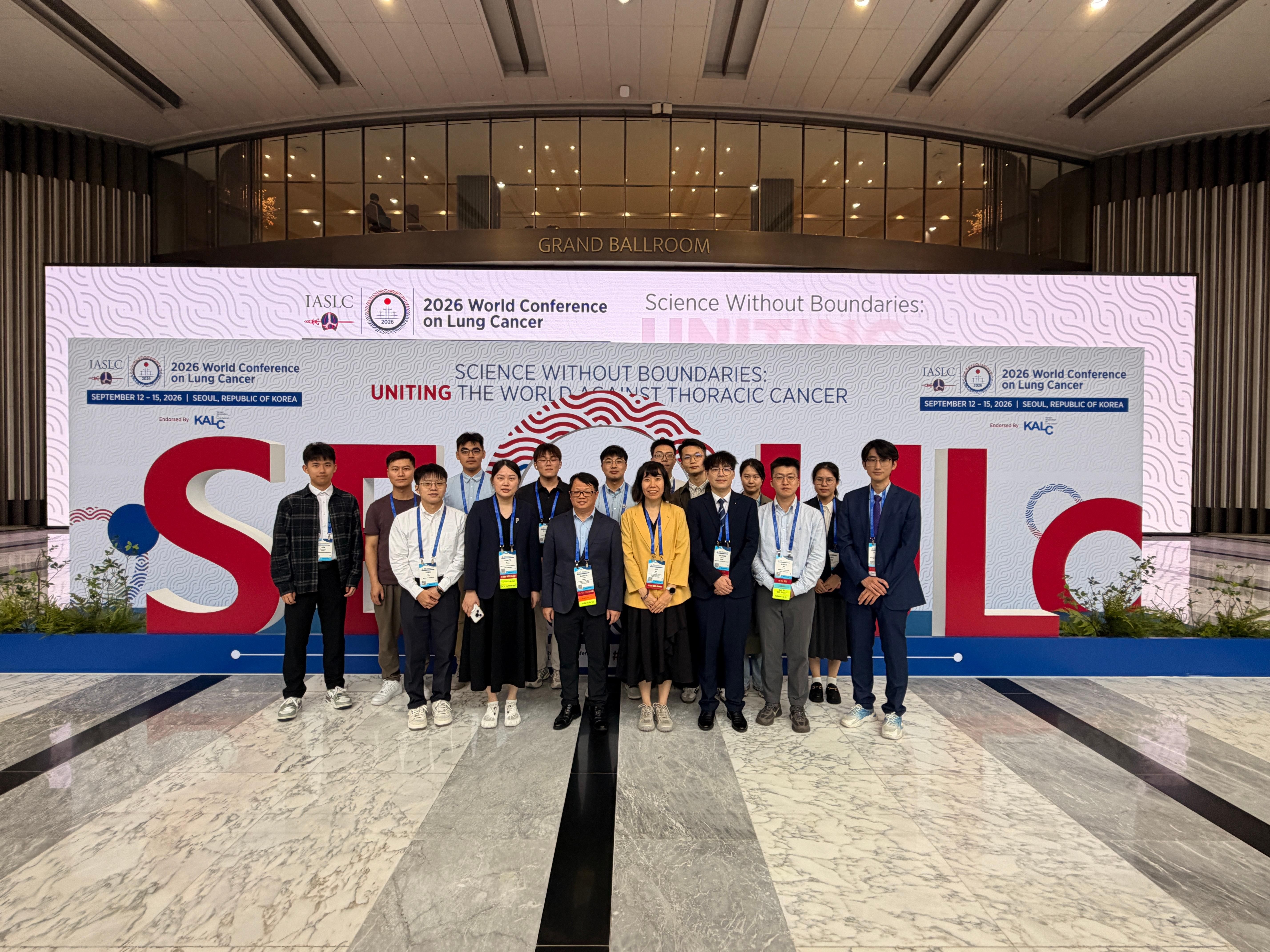
Professor Zhongyi Dong: This year marks my 10th year attending the World Conference on Lung Cancer (WCLC). This time, I also brought a relatively large team to attend the conference together, allowing our students to engage closely with top experts in the global lung cancer field. Our team had three studies selected for Mini Oral presentations, covering areas such as clinical translation and basic research.
The first study is a SFRP2/PD-L1 bispecific antibody (bispecific antibody) independently developed by our team, designed to induce the abscopal effect in patients receiving radiotherapy combined with immunotherapy. It was presented by Dr. Yanpei Zhang. The study was reported at the conference on September 13. Currently, this bispecific antibody has been applied in animal models. Preliminary experiments showed that, compared with clinical radiotherapy-immunotherapy combination alone, the bispecific antibody increased the incidence of the abscopal effect from 10%–14% to over 50%. Therefore, we hope this bispecific antibody can further improve the efficacy of patients receiving radiotherapy-immunotherapy combination and ultimately be applied in clinical practice. Next, we are conducting patient-derived xenograft (PDX) models and related basic mechanism studies for this bispecific antibody, but there is still a long way to go before future clinical translation.
The second study focuses on the clinically common TP53-mutant population, presented by Dr. Xinyi Quan. This population accounts for approximately 50%–60% of non-small cell lung cancer (NSCLC) cases. Currently, there are no targeted drugs for TP53 mutations, and some patients are relatively resistant to immunotherapy. We identified relevant key targets, classified this population as having a neuroendocrine tendency, further elucidated the mechanism, and identified drugs targeting this population. In the future, we hope to achieve targeted intervention for this population, transforming them from immune-resistant and immunotherapy-refractory to immunotherapy-sensitive.
The third study is a project by Professor Xue Bai from our research group, focusing mainly on pericyte transformation, specifically pericyte transformation in the immunotherapy-resistant population, presented by Dr. Xiaonan Zhang. This research is expected to provide deeper insights into the key role of the immune microenvironment in immunotherapy resistance.
In addition, Xiaonan Zhang, Xiangyu Sun, and others had multiple studies selected for Poster presentations. It is worth mentioning that Xiaonan Zhang and Xinyi Quan received the Developing Countries Education Award, and Xiangyu Sun received the International Mentorship Programme Award.
These are the relevant studies we presented at this year’s WCLC. In the future, we hope these studies can not only elucidate molecular mechanisms at the mechanistic level, but more importantly, achieve clinical translation as soon as possible.
FOCUS Clinical Scientists: At this year’s conference, what research findings do you think are worth paying attention to? What changes will these studies bring to patient treatment?
Professor Zhongyi Dong: This year, we attended some key studies in the Presidential Forum, mainly focusing on prophylactic cranial irradiation (PCI) research related to radiotherapy in small cell lung cancer (SCLC). Whether PCI is needed has been debated in the radiotherapy field for many years. The lecture organized at this year’s conference gave us a relatively good answer. Can PCI bring benefits to patients, and what about its side effects? The SWOG S1827/MAVERICK Phase III study, while not completely resolving the issue, at least partially addressed it. For patients with extensive-stage or limited-stage SCLC, after receiving first-line chemotherapy (± immunotherapy), is PCI actually needed? The study found that compared with MRI plus PCI, MRI surveillance alone significantly improved cognitive failure-free survival (CFFS) (HR 0.60, 90% CI: 0.46–0.78, P = 0.0005), and preliminary survival analysis showed no significant difference in overall survival (OS) between the two groups. This also suggests that in the future, this patient population may not be very suitable for PCI treatment.
In addition, this year Professor Li Zhang and Professor Jie Wang’s research on antibody-drug conjugates (ADCs) in second-line treatment for recurrent SCLC is of landmark significance. As the discussants said, these two B7-H3 ADCs may become the standard second-line treatment for recurrent SCLC in the future. This is also a direction we continue to focus on, hoping these innovative drugs can enter clinical practice as soon as possible and bring better survival benefits to patients.
FOCUS Clinical Scientists: Could you talk about the research you shared at the WCLC site? What are the noteworthy aspects of this bispecific antibody targeting SFRP2 and PD-L1 in terms of design rationale, preclinical efficacy, and future clinical translation?
Dr. Yanpei Zhang: We shared a latest study from our research group at the WCLC site. This study is based on a previous basic research study published in Cancer Cell. We found that targeting SFRP2 secreted by tumor stromal cells can promote the abscopal effect induced by radiotherapy combined with immunotherapy. Previously, we had validated the effectiveness of SFRP2 as a target using transgenic mice. So how can we further advance basic research toward application? To this end, we carried out a bispecific antibody design, linking an anti-SFRP2 monoclonal antibody with an anti-PD-L1 monoclonal antibody to prepare a bispecific antibody. This bispecific antibody achieved good results in multiple preclinical animal models, with a higher incidence of the abscopal effect than the combination of the two separate antibodies. Subsequently, we will further humanize this bispecific antibody to bring it closer to clinical application as soon as possible, truly advancing the research findings from bench to bedside.
FOCUS Clinical Scientists: As a young scholar attending this conference, what kind of exchange opportunities do you think a platform like WCLC can provide for young doctors and students? What did you most hope to gain from this conference?
Dr. Yanpei Zhang: This is my fifth year attending WCLC. From doctoral student to postdoctoral fellow, I have attended the conference almost every year. I think it is a very high-quality platform that allows us to engage with young scholars and clinicians from around the world, where scientific thinking and clinical thinking collide. This is very helpful for us in identifying clinical questions and refining scientific questions. What I most hope for is to further enhance my ability to raise scientific questions through this conference, especially to identify scientific questions that can truly solve clinical problems. That is what I most hope to gain from the conference.
Expert Profile
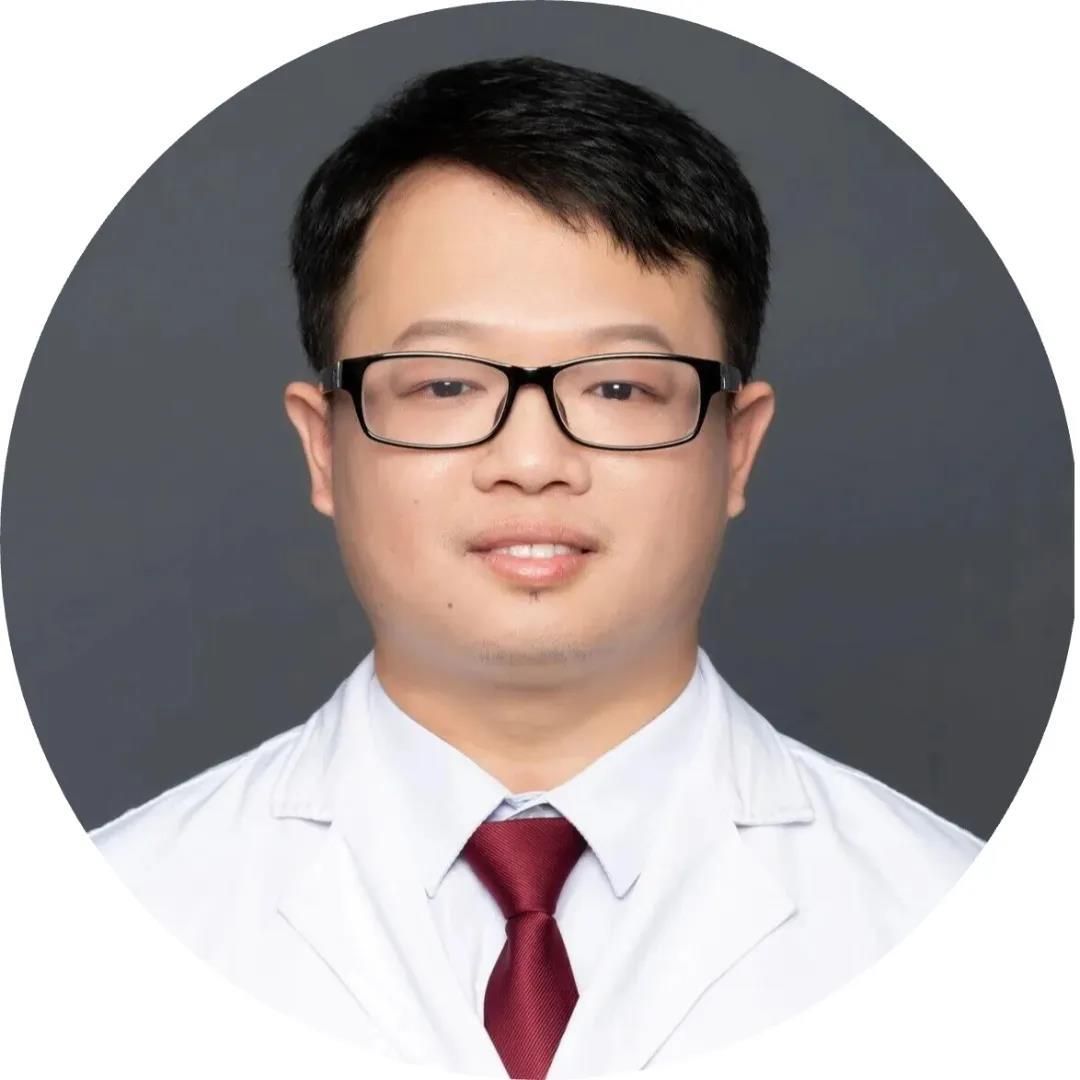
Professor Zhongyi Dong
Nanfang Hospital of Southern Medical University
Mainly dedicated to clinical and translational research in tumor immunotherapy. Specializes in targeted and immunotherapy for non-small cell lung cancer, radiotherapy and comprehensive treatment for head and neck tumors, gynecological tumors, etc.
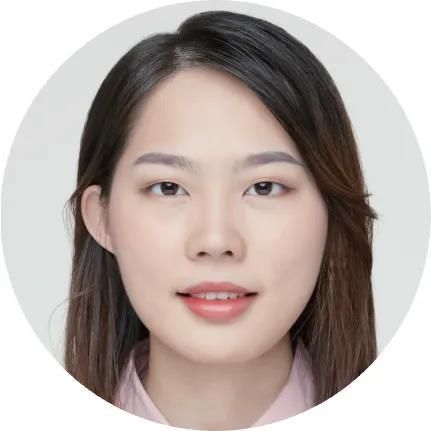
Dr. Yanpei Zhang
Southern Medical University
Main research focuses on tumor radiotherapy combined with immunotherapy, committed to revealing the underlying mechanisms of the synergistic enhancement of "radiotherapy + immunotherapy."