
Dr. Zunmin Zhu Precision Stratification and Whole-Course Management — Individualized Treatment and Innovative Exploration in AML
At the Capital Hematology Forum, Dr. Zunmin Zhu discussed risk stratification, transplant strategies, targeted therapy, and CLL-1 CAR-T for relapsed/refractory AML.
Editor's Note: The 2nd Capital Hematology Forum and the 2026 Annual Meeting of the Capital Medical University Department of Hematology opened grandly in Beijing recently. FOCUS Clinical Scientists was on-site to bring frontline coverage, and had the privilege of inviting Dr. Zunmin Zhu from Henan Provincial People's Hospital to provide in-depth insights on topics including future development directions for precision treatment of acute myeloid leukemia (AML), refined clinical strategies for transplantation in refractory AML, and the advantages of dual-armored C-type lectin-like molecule-1 (CLL-1) chimeric antigen receptor T-cell (CAR-T) therapy for relapsed/refractory AML, as well as approaches to precise patient selection.
FOCUS Clinical Scientists: In recent years, targeted therapies for AML have made continuous breakthroughs, from FLT3 inhibitors to IDH inhibitors and now Menin inhibitors. In your opinion, should the future focus of precision therapy in AML be on discovering new therapeutic targets, or on achieving more precise patient stratification to maximize the value of existing agents?
Dr. Zunmin Zhu: With deepening molecular research into AML, targeted agents are emerging successively, and treatment outcomes are expected to improve further. For AML patients, precise risk stratification based on cytogenetic and molecular characteristics at diagnosis is essential to guide individualized treatment strategies. For patients with defined genetic mutations for which matched targeted agents are available, combining chemotherapy with targeted therapy can enhance efficacy and remission rates. Even after patients achieve complete remission, maintenance therapy with targeted agents may yield more sustained benefits. Therefore, I believe that combination approaches incorporating targeted agents will be a major trend and direction going forward. At the same time, efforts to explore novel targets and new targeted drugs are progressing steadily. More novel targeted agents are expected to bring greater benefits to patients with specific mutations. Currently, FLT3 inhibitors and IDH1/IDH2 inhibitors have been approved for corresponding mutation-positive patients and have shown favorable efficacy; novel agents such as Menin inhibitors are also demonstrating promise in clinical trials and may further improve outcomes for certain subgroups.
FOCUS Clinical Scientists: For refractory AML patients with MRD positivity and high-risk mutations, transplantation carries extremely high risks. What refined clinical strategies do you employ in terms of transplant bridging, anti-rejection management, and relapse prevention? How do you precisely determine the optimal timing for transplantation?
Dr. Zunmin Zhu: For AML patients, we must perform risk stratification at the time of diagnosis. For patients in the high-risk group, allogeneic hematopoietic stem cell transplantation (allo-HSCT) should be considered with curative intent.
Some patients may achieve only partial remission (PR) and have persistently positive MRD even after early standard chemotherapy combined with targeted agents. For such refractory patients with MRD positivity and high-risk mutations, the transplant timing must be precisely managed – if MRD negativity cannot be achieved after multiple lines of therapy, transplant evaluation should be initiated as early as possible, because delaying transplantation may lead to disease progression and loss of the transplant window.
In the conditioning phase, the intensity of conditioning can be individualized: for young, well-tolerated patients, myeloablative conditioning (MAC) may be considered to maximize eradication of residual disease; for elderly patients or those with comorbidities, reduced-intensity conditioning (RIC) can be used to harness the graft-versus-leukemia (GVL) effect while ensuring safety. Post-transplant, the management of immunosuppressants requires a dynamic balance between graft-versus-host disease (GVHD) control and relapse prevention. Provided that GVHD is adequately controlled, immunosuppressants may be appropriately tapered to activate the GVL effect and reduce relapse risk. Additionally, for high-risk patients, early interventional donor lymphocyte infusion (DLI) or combination with third-party cells (e.g., mesenchymal stem cells) during transplantation may be considered for further relapse prevention.
Thus, for these MRD-positive, high-risk refractory patients, each phase – from pre-transplant evaluation and conditioning regimen selection to post-transplant management – demands refined and individualized interventions, with the ultimate goal of achieving favorable outcomes, curing the disease, and preventing relapse.
FOCUS Clinical Scientists: Your team's dual-armored CLL-1 CAR-T therapy has demonstrated significant advantages in relapsed/refractory AML. What are the core strengths of this approach in terms of tumor clearance and toxicity control? How do you precisely select suitable patients in clinical practice?
Dr. Zunmin Zhu: Many AML patients are in a refractory or multiply relapsed state. Currently, CAR-T cell therapy can induce remission in such patients.
AML cells highly express the CLL-1 antigen on their surface, and we use CLL-1-targeted CAR-T cells to achieve remission in these patients. However, conventional CLL-1 CAR-T therapy faces two prominent issues: first, a relatively severe cytokine release syndrome (CRS) burden, and second, suboptimal durability of response.
To address these issues, our team designed a dual-armored CLL-1 CAR-T construct that not only reduces CRS-related risks but also enhances the efficacy and persistence of CAR-T cells. This strategy has shown definitive clinical efficacy in patients with relapsed/refractory AML.
Regarding patient selection, we primarily target the following population: AML patients who are refractory/relapsed, have relatively high tumor burden, and have failed to achieve remission with other treatment modalities.
It should be noted that CAR-T cell therapy for AML still has the limitation of insufficient durability. Therefore, after patients achieve remission with CAR-T therapy, we recommend bridging to allo-HSCT to enable long-term survival and cure.
Expert Profile
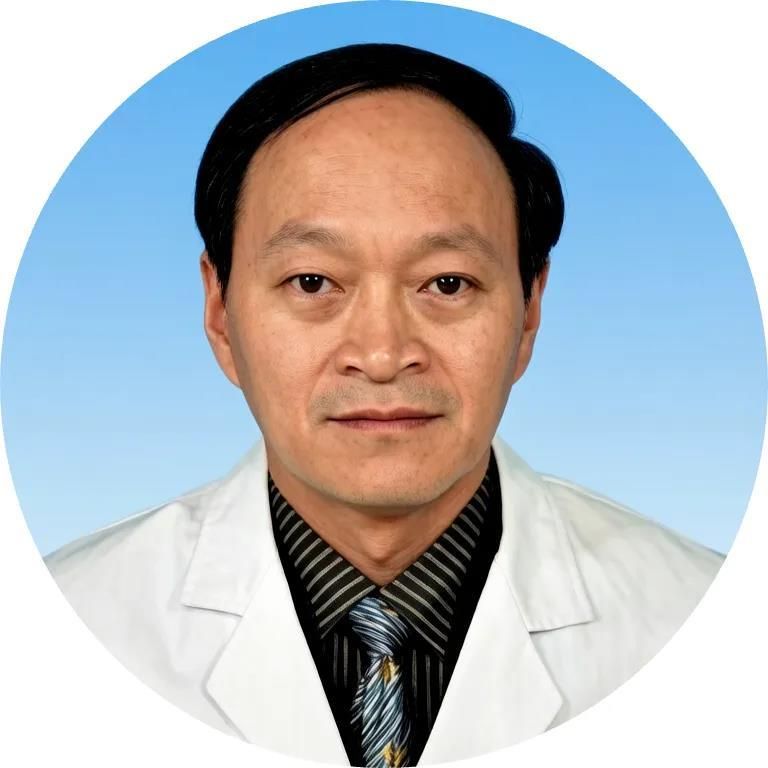
Dr. Zunmin Zhu
Henan Provincial People's Hospital
Dr. Zhu is primarily engaged in basic research and clinical treatment of common hematological disorders. He specializes in the diagnosis and treatment of lymphoma and myeloma, and in allogeneic hematopoietic stem cell transplantation for various malignant hematological diseases. He has extensive clinical experience and comprehensive therapeutic expertise in the management of acute and chronic leukemias, anemias, hemorrhagic disorders, and other common and challenging hematological conditions.